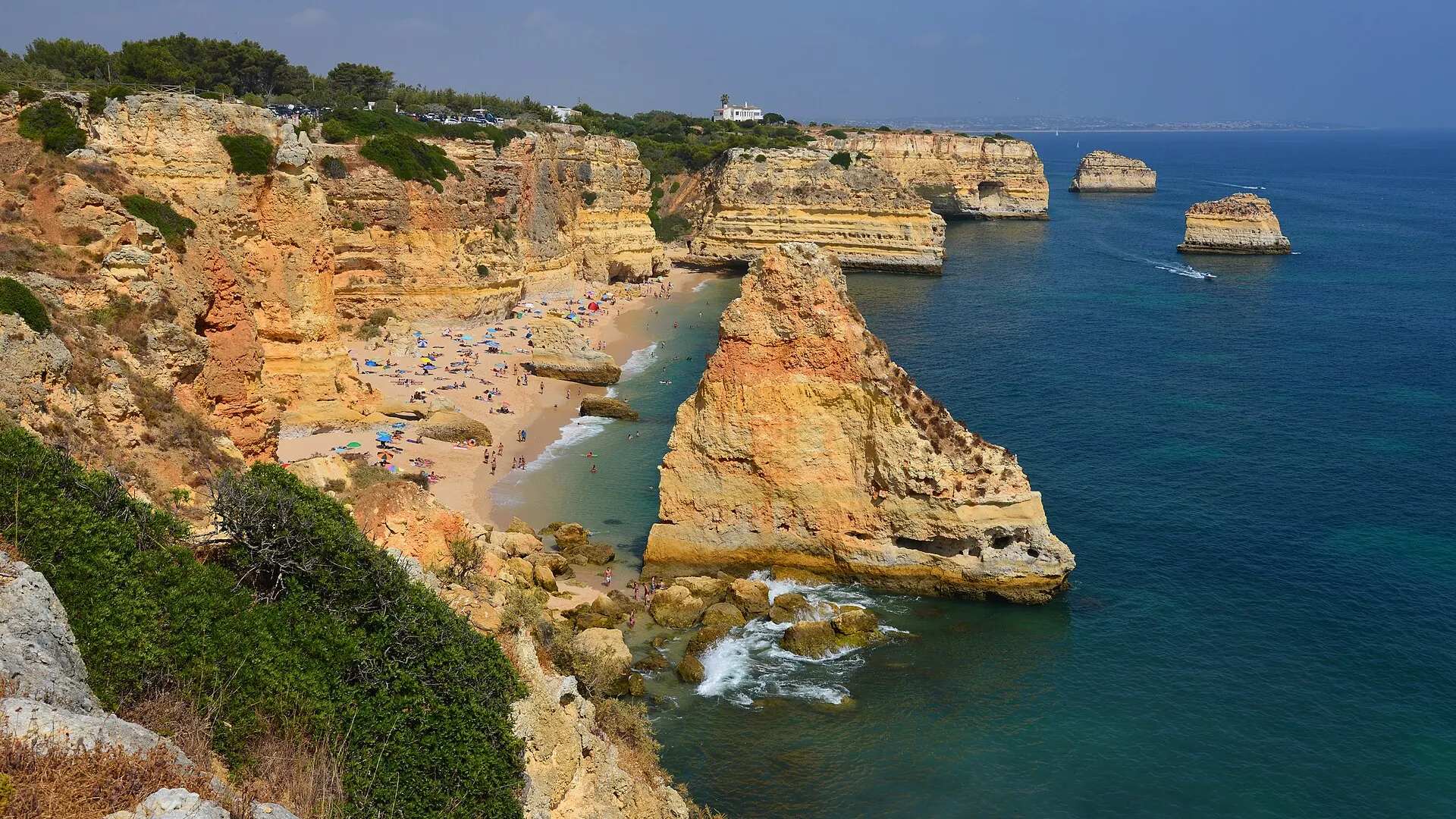
Most "best family destinations" lists are a shuffle of the same twenty places with no sense of when. That is the part that actually decides whether a trip works: the same island is a bargain in May and a scrum in August, and the same safari is unmissable in one month and pointless in another.
So this guide is built the other way round. Pick your month first, because your month is usually picked for you, by school terms and leave calendars, and then choose from three trips that are genuinely at their best in it. For each month you get one European short-haul, one long-haul worth the effort, and one wildcard most people overlook. Every pick lists what the kids actually do, roughly what it costs, how long the flight is from Amsterdam, and one honest reason it might not suit you.
- 01January: Winter sun, first skis
- 02February: Reindeer, carnival, or the driest heat
- 03March: Europe reopens, quietly
- 04April: Blossom, feria, and tulips at home
- 05May: Castles, blossom, and the last cheap week
- 06June: Mountains wake up, lakes warm up
- 07July: The expensive month, spent well
- 08August: Castles, crayfish, and the migration
- 09September: Everything August was, minus the crowds
- 10October: Warm sea, empty beaches, autumn colour
- 11November: The last warm water, the first Christmas lights
- 12December: Santa, markets, or southern summer
How to read this guide
Each month has three cards. The tag tells you the kind of trip; the line next to it is the flight time from Amsterdam. "Watch out" is the part we would tell a friend, not the part a tourist board would print.
- Europe, under three hours in the air, no jet lag, doable in a school holiday week.
- Long-haul: worth the travel day, usually needing two weeks and sometimes term-time leave.
- Snow / Wildcard. The seasonal special, or the one nobody in the group had considered.
At the end of every month there is a vote: the actual argument your group is going to have, and how we would settle it. Prices were checked in August 2026 and are labelled with their year. They drift, but the orders of magnitude hold.
01
January
Winter sun, first skis
January splits families into two camps: the ones chasing warmth and the ones chasing snow. Both are right, and both are cheaper in the middle of the month than at either end of it.
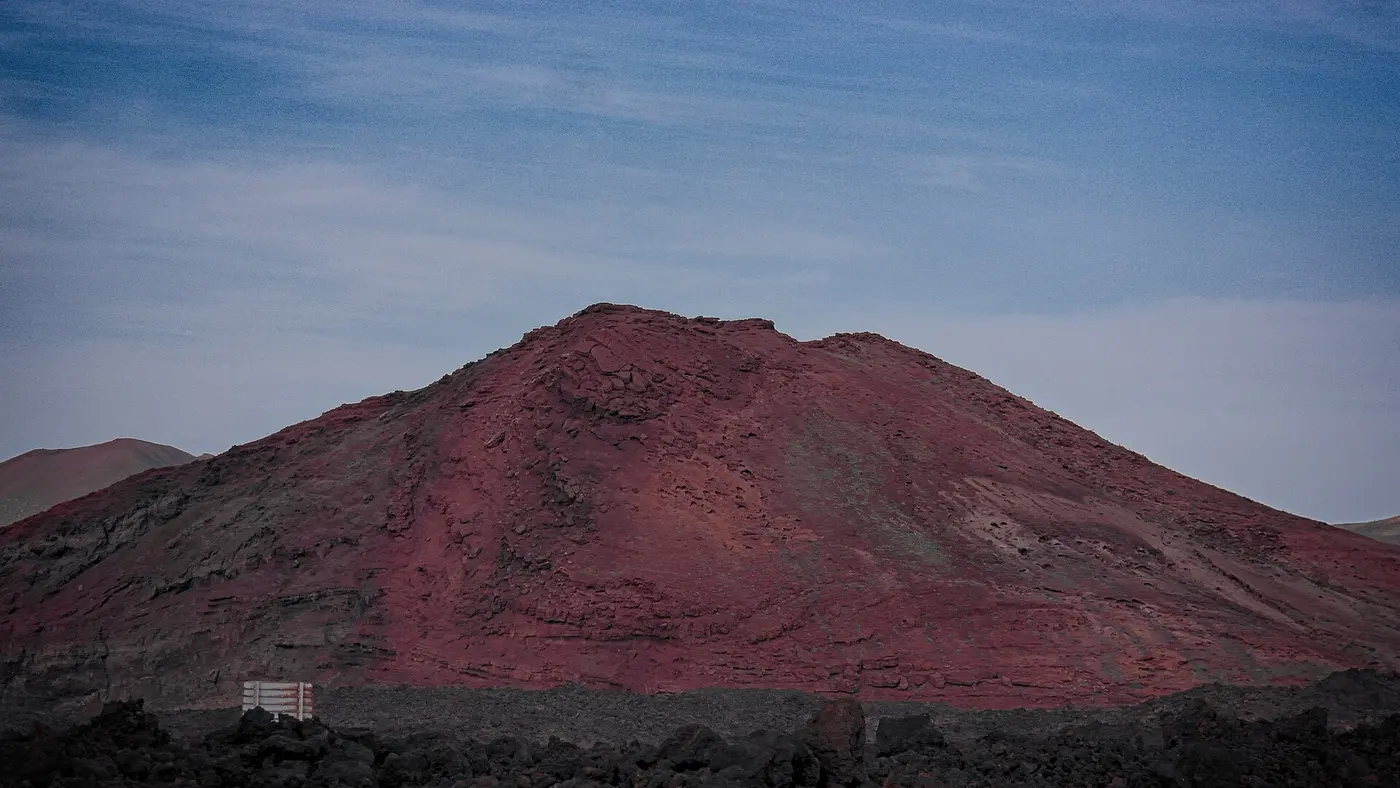
Lanzarote, Canary Islands
Arrecife averages 21.7°C by day in January with 15.4 mm of rain all month: the only genuinely reliable winter sun in Europe, and no time difference.
- Timanfaya's volcano park: €30 an adult, free for under-6s, a 90-minute coach route through the lava fields, daily 09:30-15:45 (2026).
- Cueva de los Verdes, a lava tube you walk through: €17, under-6s free (2026).
- Jardín de Cactus: €9, the cheapest of the Manrique sites and by far the easiest with small children (2026). Family apartments on Lanzarote tend to have the heated pool you will want.
Watch out: 21°C by day and 13.6°C at night is sweater-and-sightseeing weather, not a swimming holiday. Book a place with a heated pool or manage expectations early.
The Austrian Alps (SkiWelt)
Mid-January is the quiet trough between the New Year peak and the February half-terms: the coldest, most reliable snow of the season with the shortest lift queues.
- SkiWelt Wilder Kaiser-Brixental lists 22 ski schools with their own children's areas, ski courses from age 2 and childcare from five months (2026/27 season).
- The "kids ski free" FamilySkiWeeks run 5-18 December 2026 and 13-29 March 2027. Worth knowing even though they fall outside January.
- Direct flights to Salzburg year-round and Innsbruck seasonally put you in the valley within two hours of landing.
Watch out: January is not a Dutch school holiday, so for school-age kids this needs an exemption. And the free-kids weeks are in December and March, not now.
Costa Rica
January is the heart of the dry season: San José averages 28.2°C by day, three rainy days and 285 hours of sunshine for the month.
- The Arenal hanging bridges: a rainforest canopy at eye level, walked rather than zip-lined, which suits smaller children far better.
- Monteverde cloud forest for sloths, hummingbirds and a genuinely different climate an hour up the road.
- Pacific beaches at the end for the reward week, with no jet-lag penalty on the way home.
Watch out: Those San José numbers are Central Valley numbers. Monteverde is cloud forest at altitude: materially cooler, windier and wetter, so pack for two countries.
If anyone in the group is under five, take the sun. Ski gear and toddlers are a bad trade. From six upwards, a mid-January ski week is the cheapest good snow of the year.
02
February
Reindeer, carnival, or the driest heat
The half-term month, which means Europe is expensive and busy in exactly one week. Either lean into the season with proper snow, or fly to the one corner of Spain that is warm in February.
Jokkmokk, Swedish Lapland
The Jokkmokk winter market runs 4-6 February 2027: its 422nd edition, with the market area open 10:00-18:00 and events all week. This is Sámi culture as a living thing, not a display.
- The renrajd (the reindeer caravan procession) is the set piece children remember for years.
- The market programme has its own dedicated children's and young people's strand.
- Husky and aurora tours sit just across the Finnish side if you want to combine the two.
Watch out: Jokkmokk averages −7°C by day and −18°C at night in February, and market days have hit −30°C. Real gear, and book beds months out. The village is tiny.
Málaga & Andalusia
17.9°C by day, 189 hours of sunshine and only 4.6 rain days: the mildest corner of mainland Europe, and served direct by five airlines.
- The Caminito del Rey walkway: €10 general admission, €18 with an official guide, plus a €2.50 shuttle bus and €2 a day for parking (2026).
- Carnaval de Málaga fills the week before Lent, with Ash Wednesday on 10 February 2027, expect the parades in the days before it.
- Málaga's old town is flat, walkable and full of playgrounds: an underrated thing when everyone is tired.
Watch out: Under-8s are not admitted to the Caminito del Rey at all, and over-8s must show original ID. The sea is 15.6°C. Nobody is swimming.
Chiang Mai, Thailand
February is the driest, sunniest stretch of the northern Thai year: 32.9°C by day, 9.6 mm of rain and 252 hours of sunshine.
- The Chiang Mai Flower Festival takes the first weekend of February, so roughly 5-7 February 2027 if the pattern holds.
- Ethical elephant sanctuaries (look for no-riding, observation-only policies) and the temple staircase at Doi Suthep.
- Food that children actually eat, at prices that make a two-week trip affordable once you have paid for the flights.
Watch out: Northern Thailand's crop-burning haze season is widely reported to start in late February. Check air quality before you commit to the back half of the month.
Andalusia is the value answer: three hours, five airlines competing on price, and the only mainland European weather worth having in February.
03
March
Europe reopens, quietly
The month the shoulder season starts: southern Europe is warm enough to walk all day, the crowds have not arrived, and prices are at their lowest since January.
Lisbon, Portugal
18.9°C by day and 216 hours of sunshine: warm enough to be outside all day, cool enough that nobody melts on the hills.
- The Oceanário is one of Europe's best aquariums and works for every age in the group at once.
- Tram 28 is a rollercoaster disguised as public transport. Go early, before the queues.
- Pavilhão do Conhecimento is the hands-on science museum for the inevitable rainy afternoon.
Watch out: March brings 68.7 mm of rain across 7.6 wet days, and Lisbon's cobbled hills are genuinely punishing with a buggy. Bring a carrier instead.
Marrakech, Morocco
23.6°C by day with 253 hours of sunshine. The last comfortable month before the real heat arrives, and a three-hour flight into a completely different world.
- Jemaa el-Fna at dusk: storytellers, drummers and orange-juice stalls. Free, and unforgettable.
- Jardin Majorelle for an hour of cool, quiet blue. Tickets are online only, so book before you go.
- A day into the Atlas foothills, where the temperature drops and the crowds vanish.
Watch out: Nights fall to 10°C (a 13-degree swing) and many riads have no real heating. And medina crowds plus persistent hustling wear small children down fast.
Singapore
Hot and steady rather than seasonal: 32.2°C by day, 12 rainy days, 82% humidity. March is as good as any month, which is exactly the appeal.
- Gardens by the Bay: the Supertree grove and two cooled biodomes. The best air-conditioned hour of the trip.
- The Mandai cluster (Singapore Zoo and River Wonders) is genuinely world-class and easy with a pushchair.
- Everything works, trains, taps, pavements. It is the softest possible landing for a first long-haul trip with kids.
Watch out: 32°C at 82% humidity with an afternoon storm most days means planning around indoor hours, not just opening times.
With under-sixes, Lisbon. With over-eights who are bored of Europe, Marrakech does more in three hours of flying than anywhere else on this list.
04
April
Blossom, feria, and tulips at home
The month of things that only happen now. April rewards planning around a date rather than a destination, and punishes anyone who books six months out and hopes.
Seville, Spain
24°C by day and 255 hours of sunshine, plus the Feria de Abril, which by its own rule (the second Sunday after Semana Santa) should land around 11-17 April 2027, though the city had not confirmed dates as of August 2026.
- The Real Alcázar: €15.50 for adults and free for under-13s with an adult, open 09:30-19:00 April to September (2026).
- Feria's Calle del Infierno funfair and the daytime horse-and-carriage parade are the parts children actually love.
- Orange blossom everywhere, and evenings warm enough to eat outside without a coat.
Watch out: Feria's casetas are overwhelmingly private, barely 16 public ones among more than a thousand (2026). Without an invitation you get the streets, the parade and the funfair, which is still a lot, but know it in advance.
Keukenhof, Netherlands
The 2027 season runs 18 March to 9 May, daily 08:00-19:00 with last entry at 18:15, and April sits squarely in the middle of it.
- Free lockers, free Wi-Fi around the pavilions, wheelchair hire at €5, and dogs allowed on a lead outside the pavilions.
- The playground and the maze buy you the twenty minutes you need to actually look at the flowers.
- No flight, no jet lag, no hotel: the rare family day out that costs a tank of fuel.
Watch out: 2027 tickets go on sale mid-October 2026 and prices are not published yet. And the photogenic bulb fields are outside the park. The garden is planted to a schedule, the fields are not.
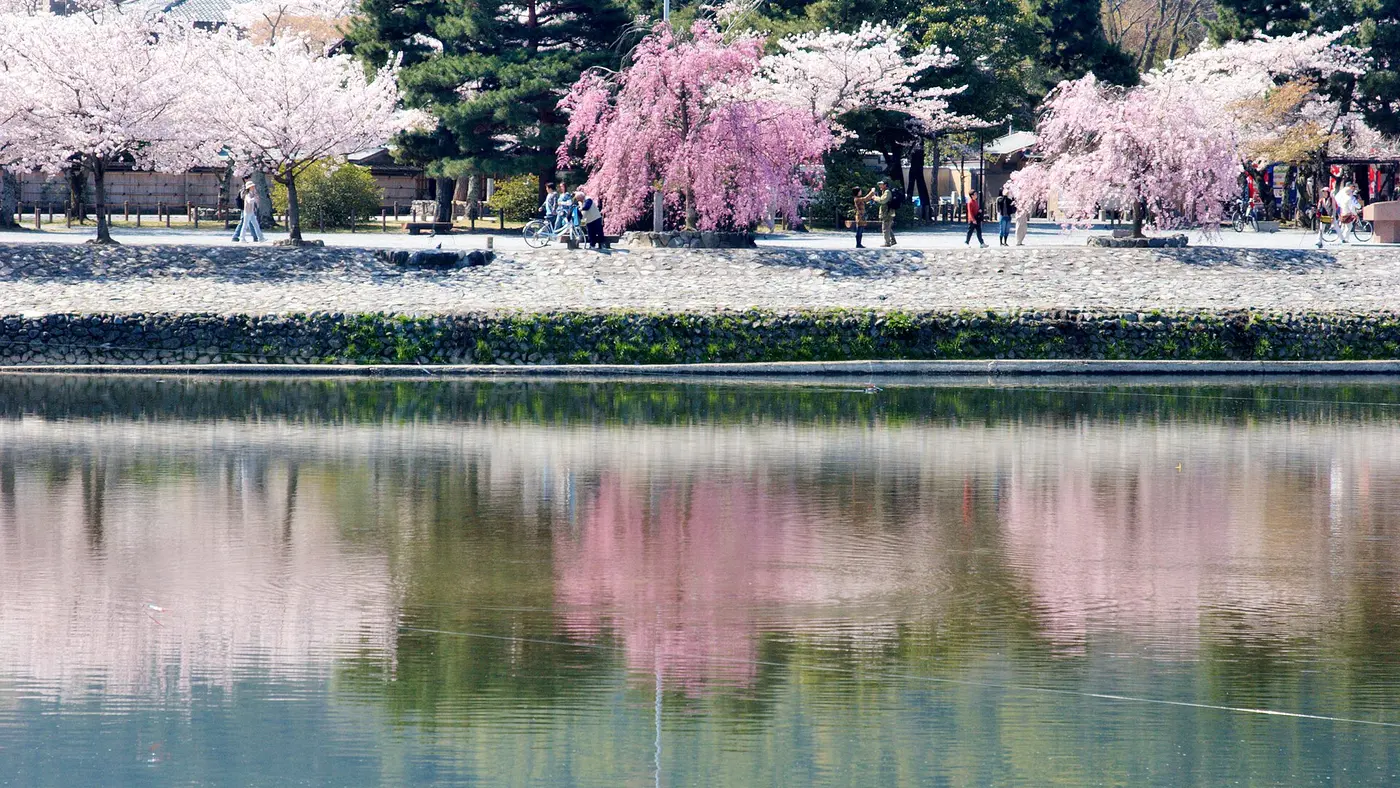
Japan, for the blossom
Tokyo averages 19.4°C in April, Kyoto 20.1°C. Bloom usually reaches both at the start of April, though recent years have trended earlier. Kyoto's 2020s average peak was around 5 April.
- The Ghibli Museum in Mitaka: ¥1,000 from 19, ¥700 for 13-18, ¥400 for 7-12, ¥100 for 4-6, free at 3 and under. Advance reservation only. Nothing is sold at the door (2026).
- Shinkansen rides are a genuine highlight rather than a transfer, and children's fares are cheap.
- Convenience-store food, spotless public toilets and blossom picnics in every park. Japan is far easier with kids than its reputation suggests. Kyoto day tours book out fast in blossom week.
Watch out: A roughly one-week bloom window that moves every year cannot be booked six months out with confidence. And Golden Week from 29 April pushes domestic prices and crowds up sharply right behind it.
If you are set on cherry blossom, accept that you are gambling and book flexible. If you want a guaranteed spectacle, Keukenhof runs to a schedule and is 35 minutes from Amsterdam.
05
May
Castles, blossom, and the last cheap week
The best-value month in Europe: everything is open, nothing is full, and the Dutch school holidays have not started yet. If you can travel before the last week of May, do.
The Loire Valley, France
Castles at 19°C with seven hours of sun a day, and the Chaumont-sur-Loire garden festival running 22 April-1 November 2026 (this year's theme: cinema).
- Chambord is free for under-18s, collect the ticket at the office with ID. Adults €21 for EEA residents, €31 otherwise (2026).
- ZooParc de Beauval for the pandas: adult €36.50 online (€43 at the gate), child 3-10 about €29 online, under-3s free. Bird and sea-lion shows and the cable car included (2026).
- Château du Clos Lucé in Amboise: Leonardo's last house, with his machines built full-size in the park. Around €19-20 (2026).
Watch out: You need a car. The châteaux are scattered across farmland and rural buses will not save you.
New York City, USA
Highs climb from 19°C to 24°C across the month: the short window when the city is warm but not yet a sauna.
- The Staten Island Ferry is free, runs every 15-30 minutes around the clock, and sails straight past the Statue of Liberty. Stand starboard leaving Manhattan.
- American Museum of Natural History, from about $28 an adult (2026). The pay-what-you-wish rate is for local residents with ID only. Visitors pay full.
- Central Park, free, right next door to the museum: playgrounds, rowing boats, and space to let everyone run.
Watch out: Fleet Week is not happening as usual in May 2026. It has been folded into the International Naval Review on 3-8 July. And everyone needs an approved ESTA before check-in.
LEGOLAND Billund, Denmark
The season runs to 1 November 2026 and May sits in the sweet spot: everything open, standard 10:00-18:00 hours, none of the July queues.
- Day tickets from 349 DKK (~€47) online against 519 DKK at the gate, booking ahead saves up to 170 DKK per person. Two-day from 498 DKK; under-2s free (2026).
- Lalandia next door has the Aquadome waterpark with a new 1,000 m² toddler area, but day guests are sometimes locked out at weekends, so check first.
- The whole town is the resort, LEGO House included. Two or three days is genuinely enough.
Watch out: Danish prices. A family of four eating out twice a day will feel it long before the ticket queue does.
Ask one question. How many hours will everyone tolerate in a car or plane? Under two, it is Billund. Under three with a car, the Loire. Only vote New York if the youngest can sleep on a plane.
06
June
Mountains wake up, lakes warm up
June is when the Alps become a family destination again: lifts reopen, meadows flower, and lake water finally crosses the "kids will actually get in" line. All before the July price jump.
The Dolomites, Italy
Valley highs of 15-22°C, and mid-to-late June is peak wildflower season: gentians and alpine roses across the meadows before the August crowds.
- Alpe di Siusi, Europe's largest alpine meadow: flat, surfaced plateau trails, several of them pushchair-friendly. Cableway from Siusi €30 return adult, €18 junior, free under 8 (2026); it runs 22 May-2 November 2026.
- Lago di Braies for the turquoise-water photo everyone has seen, a flat shoreline loop and rowing boats to hire.
- South Tyrol's family hotels are a category of their own (kids' clubs, pools) and June is still shoulder-season pricing.
Watch out: Early June is genuinely shoulder: some lifts and mountain huts stay shut until mid-month and high trails can still hold snow. Weeks one and two are for valley and plateau walks.
Lake Bled & Ljubljana, Slovenia
Ljubljana sits around 24-25°C, and Bled's water hits roughly 18-22°C in June: swimmable, and with visibly fewer people than July.
- The pletna boat to Bled Island: €20 adult, €10 child 4-12 return, cash only, about 20 minutes each way and 40 minutes on the island. The bell tower is €12 extra (2026).
- Postojna Cave, where kids ride the world's only double-track underground cave train for 3.5 of the 5 km: adult €28.80-30.90, child 6-15 about €17, under-5s €1 (2026).
- Ljubljana itself is free entertainment: dragon-spotting on the Dragon Bridge, playgrounds in Tivoli Park, and a car-free old town you can cross with a pushchair.
Watch out: Bled's car parks fill early even in June. Be at the lake before 09:00 or accept a long walk in.
Cairns & the Great Barrier Reef, Australia
June is dry season: 26°C days, 18°C nights, about 35 mm of rain all month, and it sits outside stinger season, which runs roughly November to May.
- A pontoon day is the family-proof way to do the reef. Sunlover's Moore Reef pontoon: A$317 adult, A$177 child 4-15, A$816 for a family of four. Snorkel gear, glass-bottom boat, semi-submersible, underwater observatory, a 30 m waterslide and lunch (2026).
- Kuranda Scenic Railway up, Skyrail rainforest cableway down: A$145.50 adult, A$79.50 child 4-14 (valid to 31 March 2027).
- Cairns Esplanade Lagoon: a big free lifeguarded swimming lagoon on the waterfront, open year-round.
Watch out: Around 24 hours of travel each way plus eight hours of jet lag, and June falls in Dutch term time. This is a pre-school or take-them-out-of-school trip, not a half-term one.
Slovenia wins on value and effort: a two-hour flight, mountains and a swimmable lake in one week, and the cheapest food bill of the three.
07
July
The expensive month, spent well
School is out and everything costs more, so the trick in July is not to find a bargain. It is to pick somewhere where the extra money buys something. Altitude, flat cycle paths and a car with a boot all qualify.
Île de Ré, France
A flat island with 138 km of signposted cycle routes and 24.6°C days: the rare place where a six-year-old can genuinely cycle everywhere the adults go.
- Cycland rents from eight shops on the island: child bike €10 a day, adult €14, e-bike €30, child trailer €12, baby trailer €25, child seat €2. Trailers from 18 months; helmets compulsory under 13; a "day" means eight hours (2026).
- The free RespiRe shuttle buses link the villages in summer, so a tired child never strands the group.
- Oyster shacks, salt marshes and a lighthouse to climb. The whole island is a day's cycling wide.
Watch out: The population goes from about 17,650 year-round to roughly 220,000 in summer. Bridge queues and July rates follow, and there is no direct flight, so it is a drive or a TGV via Paris.
Innsbruck & the Tyrol, Austria
Altitude is the whole pitch. On a July afternoon it can be 21°C in the valley and 10°C at the top of the Nordkette at 2,256 m. A mountain you reach from the city centre in under half an hour.
- The Top of Innsbruck return runs about €56 an adult and €33.60 a child on the 2026 tariff, with under-6s free with a parent: check the summer rate when you book, the published table is a winter one.
- The Alpenzoo sits on the way up and combines with the same ticket. Europe's highest-altitude zoo, and all alpine species.
- Cable cars, mountain streams and a walkable old town beat a beach for kids who cannot sit still.
Watch out: Mountain weather turns fast and cable cars close for wind. Have a rainy-day plan that is not "drive around and hope".
California road trip, USA
Los Angeles averages 25°C in July, but Santa Monica Pier only 20.4°C. The coast runs about five degrees cooler than inland, which is the trick to travelling here with kids.
- Yosemite is $35 per private vehicle for seven days, covering everyone in it, and there is no timed-entry reservation system in 2026 (under-16s need no pass).
- A car with a boot means naps happen while you drive, which is the single biggest quality-of-life upgrade in family travel.
- Beaches, redwoods and desert inside one loop, with the distances broken by roadside diners.
Watch out: Non-US residents aged 16 and over pay an extra $100 each on arrival on top of the park pass, for two parents that is $200 before you enter. And San Francisco has the coolest summer of any major US city: pack fleeces for the fog.
If the youngest can cycle, Île de Ré is the trip everyone remembers, and the only one where children get real independence. If they cannot yet, the Tyrol does more with less effort.
08
August
Castles, crayfish, and the migration
Peak everything. August rewards going somewhere that is cooler than the Mediterranean or so remarkable that the crowds stop mattering, and punishes anyone who booked a Greek island in the last week of July.
Bavaria & Neuschwanstein
Füssen averages a comfortable 21.1°C in August, and the castle is open daily 09:00-18:00 from 28 March to 15 October.
- Neuschwanstein is €21 for adults and free for everyone under 18, plus a €2.50 online booking fee. Visits are a guided 30-minute tour with an audio guide in 19 languages (2026).
- Walk-up tickets are same-day only and cannot be reserved, so book online, or arrive very early.
- Opposite the castle, the Tegelbergbahn valley station has a summer toboggan run, a playground and a beer garden: the bribe that makes the castle queue survivable.
Watch out: The Fairy-Tale Road is not in Bavaria. The Deutsche Märchenstraße runs 600 km from Hanau to Bremen, so do not plan it as a Neuschwanstein add-on. And check the Tegelbergbahn site: the Pöllat gorge and the toboggan run close for weather.
The Bohuslän coast, Sweden
Around 22°C, about 3,000 islands and 5,000 skerries, and August is kräftskiva season, the crayfish party with paper hats, moon lanterns, bibs and singing. Children love it more than adults do.
- Havets Hus in Lysekil: SEK 180 adults, SEK 100 for children 5-17, free under 5, digital guides included (May to September 2026).
- Gullmarn, Sweden's only threshold fjord, is 25 km long and 118.5 m deep: swimming, kayaking and seal-spotting all in one place.
- Red wooden cabins, granite slabs to jump off, and lingering daylight until well past bedtime.
Watch out: August is Sweden's own holiday month, so island cabins go early. The Skagerrak is bracing and evenings drop to about 14°C. This is jumper-and-swim, not lounger weather.
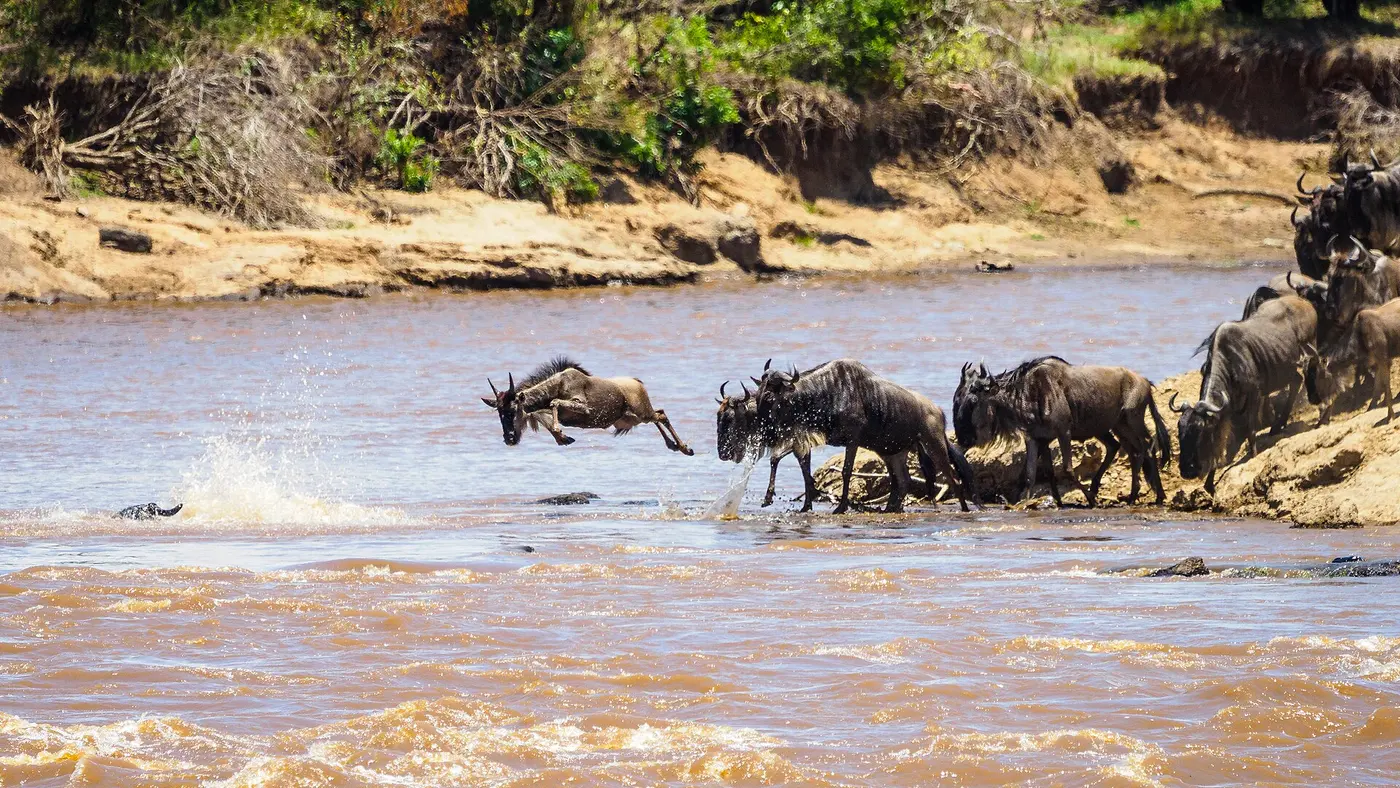
The Maasai Mara, Kenya
The migration typically reaches the Mara between July and October, around 1.3 million wildebeest, 200,000 zebra and half a million Thomson's gazelles, and August sits mid-window for the river crossings.
- In the Mara Triangle the child rate covers ages 9-17 and under-8s go free. Bring passports or birth certificates, or you pay the full non-resident rate.
- It is a cashless park (M-Pesa or card only) and tickets run 12 hours, 06:00 to 18:00, with no overnight rollover.
- An eight-hour direct flight and only a two-hour time difference makes this the most doable long-haul safari from Amsterdam, and Mara safari days can be added once you are there.
Watch out: Camps inside the reserve start at $650-800 per person per night, and crossings are genuinely unpredictable. Herds mass at the river for days without going in, and the good points draw a wall of vehicles. Sell the ecosystem, not a guaranteed crossing.
Sweden is the underrated one: a 90-minute flight, 22°C, no crowds worth the name, and children who spend six days outside. Kenya is the trip of a lifetime: plan it a year out, not this August.
09
September
Everything August was, minus the crowds
If you can travel in September, do. The water is at its warmest, the queues have gone, and prices fall off a cliff in the second week: the single best month on this entire list for anyone not tied to a school calendar.
The Azores, Portugal
Ponta Delgada averages 25°C in September: warmer than July, because the ocean lags behind the sun. Crater lakes, hot springs and whales, in the middle of the Atlantic.
- Four resident species are around all year (sperm whales and common, bottlenose and Risso's dolphins) and summer brings the biggest dolphin groups, with plenty of calves.
- Family policy on the main operator's tours: babies 0-5 free, children 6-12 half price, but minimum age 6 on the Zodiacs. Younger kids take the catamaran.
- Furnas: swimming in a hot spring, then a stew cooked underground by volcanic heat. Very hard to beat as a story to take back to school.
Watch out: Do not promise the giant baleen whales. Blue, fin and sei pass through March to June. September is sperm whales and dolphins, and swell cancels tours at short notice.
Tuscany at harvest
Siena drops from 30.7°C in August to 25°C in September. That 5.7-degree difference is the whole argument. The Chianti Classico harvest runs from the first half of September into the second half of October.
- Il Giardino dei Tarocchi at Capalbio: €15 full, €10 for ages 7-22, free for under-7s. Open daily 1 April-15 October, 14:30-19:30, last entry 18:15 (2026). A sculpture garden that reads as a giant playground.
- An agriturismo with a pool means the adults get vineyards and the children get a week of doing nothing in particular.
- Pisa, Siena and Florence are all inside an hour, so one town a day is plenty.
Watch out: A "join the harvest" day is not a fixed date. The vendemmia moves with the weather across a six-week window. Book flexible and email the estate the week before rather than promising a picking day in March.
Ras Al Jinz turtle reserve, Oman
The nesting season runs from May to September, and this is the only legal place in Oman to watch turtles come ashore: green turtles mostly, with olive ridley, loggerhead and hawksbill too.
- Fees for visitors not staying on site: 12 OMR for 12 and over, 6 OMR for 6-12, free under 6 (2026).
- Viewings are at 21:00 (be on site by 20:30) and 05:00 (by 04:45). Guests staying at the reserve get both included in the room rate, with children, that is the move.
- There is an interactive museum and working research labs on site for the daylight hours.
Watch out: Two viewing slots, both brutal for under-sevens, and no daytime alternative. September heat is real too: nearby Sur records September highs near 38.8°C.
If you are free to travel now, the Azores are the best-value week in this entire guide: 25°C, whales, and September prices. If you have school-age kids, Tuscany's first week still overlaps most autumn breaks.
10
October
Warm sea, empty beaches, autumn colour
The month the Mediterranean stays warm while everyone assumes it has gone cold. October is the best-kept secret in family travel. Provided you book a town, not a resort strip.
Crete, Greece
Heraklion still hits 23-24°C by day in October, and the sea averages 22.8°C: warmer than the North Sea manages at any point in the year.
- Knossos, where the Minotaur story becomes a real place kids can walk through.
- The Cretaquarium at Gournes for the one guaranteed indoor afternoon.
- Preveli and Vai, palm-backed beaches that are still swimmable and finally empty. Stay in Chania or Rethymno rather than a resort strip.
Watch out: Late October is when the shoulder season shuts: resort hotels and tavernas in places like Elounda and Malia start closing in the last week. Base yourself in a real town (Chania or Rethymno) and it stays open around you.
Transylvania, Romania
Castle season, without the summer coaches. Bran Castle switches to winter hours on 1 October: Monday 12:00-18:00, Tuesday to Sunday 09:00-18:00 (2026).
- Bran Castle from 100 RON; the Royal Tour with fast-pass from 170 RON adds the torture rooms and the time tunnel: teenagers' favourite part (2026).
- School and family groups go from 30 RON a child (minimum 20), so it is worth asking if you travel with another family.
- Brașov's old town underneath the Carpathians is walkable, cheap and full of good food.
Watch out: Bran is the Dracula-marketing castle, not Vlad's actual seat. It is small and busy, and older kids expecting horror can be disappointed. And there is no direct flight: Bucharest plus a three-hour transfer.
New England, USA
Vermont's own tourism board is blunt about it: the colour starts mid-September and runs through the first two or three weeks of October, moving north to south and high to low. There is no single peak date.
- Boston Children's Museum and the Freedom Trail make the city half of the trip work for every age.
- The Kancamagus Highway through the White Mountains is the leaf drive worth the rental car.
- Pumpkin patches and corn mazes are everywhere in October, and they are cheap.
Watch out: Peak foliage is also peak pricing. Inns and rental cars spike and book out months ahead. Add an ESTA for everyone and six hours of jet lag.
Crete wins on effort-to-payoff: a direct flight, 22.8°C water and half-price accommodation. Save New England for a year when the autumn break is two weeks.
11
November
The last warm water, the first Christmas lights
November is the honest month: you either chase the last of the warmth south, or you accept winter early and go somewhere that does it beautifully.
Valletta, Malta
20.8°C by day, and the sea still averages 21.2°C in November: the warmest swimmable water left anywhere in Europe.
- The saluting battery at the Upper Barrakka Gardens fires daily, and it is genuinely loud in the best way.
- Popeye Village: the 1980 film set turned playground, which is either very silly or very brilliant depending on the age.
- The Hypogeum has a hard cap on daily visitors and books out far ahead, so decide early if you want it.
Watch out: November is when Malta's rain ramps up: 8.7 wet days against 6.6 in October. Sell it to the group as mild sightseeing weather with a swim, not as a beach holiday.
Copenhagen at Christmas
Christmas in Tivoli runs 13 November to 3 January, so November gets you the whole thing before the December crush and at the friendlier end of the price range.
- Tivoli entrance in the Christmas season: 210-230 DKK an adult, 105-115 DKK for a child 3-7. With a ride pass: 409-449 DKK and 204-224 DKK. Under-3s are free and only need a ride pass (2026).
- The whole park is lit, decorated and smells of æbleskiver. It is the most convincing Christmas most children will see.
- An hour and twenty in the air, and the city is 15 minutes from the airport by metro.
Watch out: Tivoli is mostly outdoors and Copenhagen in November is dark, wet and windy. Budget one museum day and pack properly waterproof coats.
The Yucatán, Mexico
Cancún averages 30.1°C by day in November, and the Atlantic hurricane season officially closes on 30 November. This is the tail end, not the clear.
- Chichén Itzá, quoted at 697 MXN for foreign visitors (2026, via an operator site rather than the official one; check before you go).
- Cenote swimming near Valladolid: freshwater caves, cool water, and the best photos of the trip.
- Beach days at Tulum or Akumal that need no planning at all after a week of ruins.
Watch out: Ten hours and seven hours of time difference with children, plus a hurricane tail that makes travel insurance non-optional rather than nice to have.
If anyone still wants to swim, Malta is the only European answer. If the group has already mentally moved on to December, Copenhagen is a cheap flight and a real occasion.
12
December
Santa, markets, or southern summer
The one month where the destination is the story. December trips are remembered for decades, which is also why they cost what they cost. Book early or pick the cheap version deliberately.
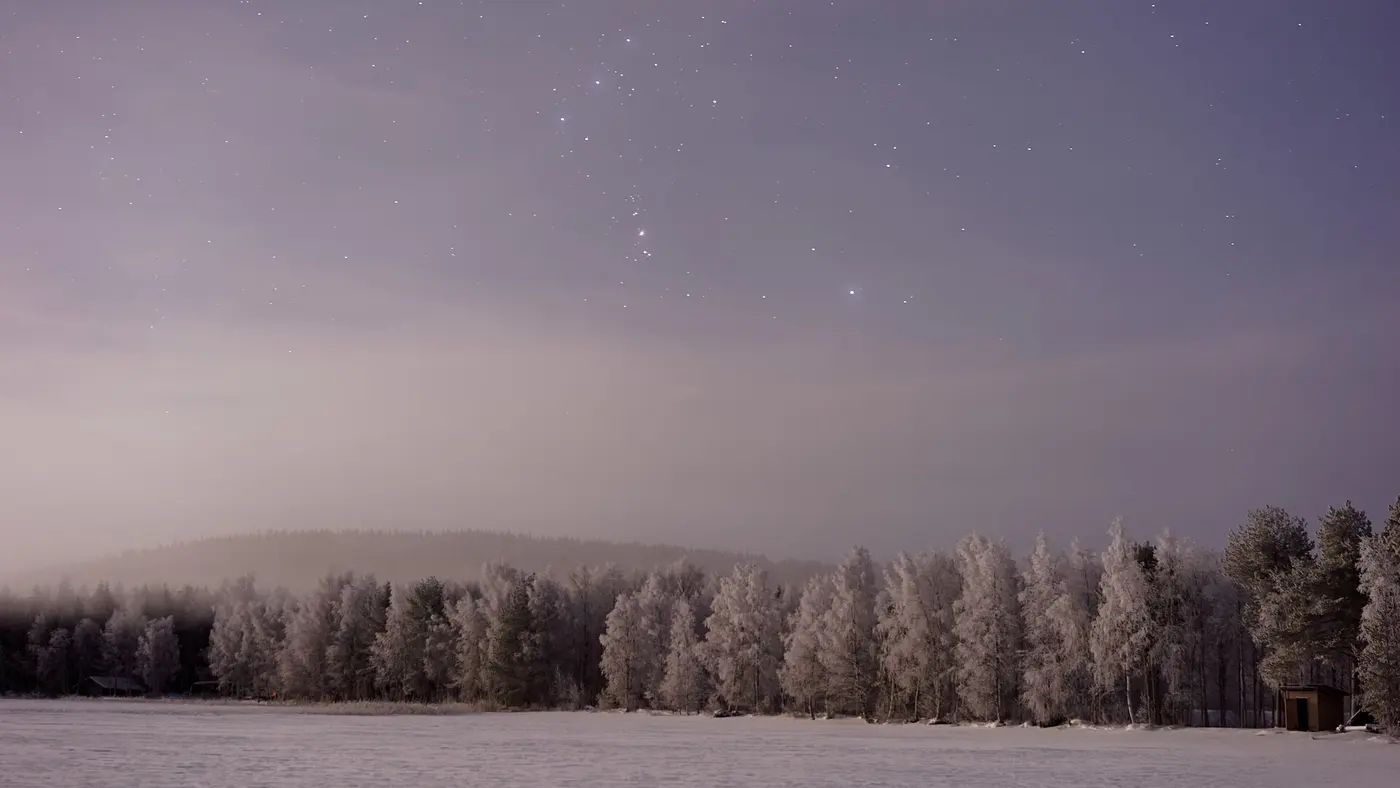
Rovaniemi, Finnish Lapland
Santa Claus Village sits on the Arctic Circle 8 km north of town, is open every day of the year, and (the part nobody expects) has no entrance fee at all.
- Free entry, free crossing of the Arctic Circle line, and a free meeting with Santa in his office. The photo and video are the paid part.
- Husky and reindeer sledding, snowmobile safaris and glass-igloo nights are the expensive layer on top, book them months ahead, because December sells out first.
- December averages −4.9°C by day, −10.6°C at night: cold, but dry cold, and the snow is guaranteed.
Watch out: At 66.5°N in December you get a couple of hours of usable twilight around the solstice, not daylight. Everything beyond the free village is expensive and sells out early.
Colmar & the Alsace markets
Colmar runs six separate Christmas markets from 23 November to 29 December 2026, in a town so photogenic it looks staged.
- The Petite Venise canal boats keep running: €10 adults, €5 for children 4-10 for a 25-minute loop (2025).
- Riquewihr and Eguisheim are half an hour away and both are on the official prettiest-villages list.
- No flight required. Eurostar to Paris and a TGV gets you there in about six and a half hours, which with kids beats an airport day.
Watch out: Advent weekends are shoulder-to-shoulder and hotels sell out months ahead. Come midweek, or sleep in Eguisheim and travel in.
Cape Town & the Garden Route
25.8°C by day, 2.6 days of rain all month (peak southern summer) and only about an hour of time difference, so no jet lag in either direction.
- Table Mountain cableway return: R475 online (R530 at the office) for adults, R230 online (R270) for children 4-17, free under 4. Prices valid 1 July 2026 to 30 June 2027.
- The Boulders Beach penguin colony, where a boardwalk puts children a metre from wild African penguins (a daily conservation fee applies).
- The Garden Route east of the city turns the second week into a road trip with beaches, forests and elephants.
Watch out: December is South African school holidays too. Garden Route accommodation, the Boulders boardwalks and the cableway queue are at their annual worst. And the Cape South-Easter closes the cableway at short notice.
Lapland is the once-in-a-childhood trip, and it should be treated that way. Pick a year and save for it. Colmar delivers 80% of the magic by train for a fraction of the price.
Turning a shortlist into an actual trip
The hard part of family travel is not choosing the destination. It is the fortnight afterwards, when four adults forward each other links and nobody writes anything down.
That is the entire reason Guidesty exists: one shared plan, a map, a day-by-day itinerary, and a vote when the group cannot agree. Everyone edits the same plan, no one needs an account, and the AI drafts the first version so you are editing instead of staring at an empty week. Drop the link in the family group chat and let people add the museum they are excited about, including the small people, who are far more invested in a trip they helped build.
Family travel FAQ
What is the best month to travel with kids?
May, June and September are the three best months for European family travel: everything is open, the weather is reliable and prices sit below the school-holiday peak. If you are tied to Dutch school holidays, aim for the May break or the first week of the summer holidays. The price curve climbs steeply after mid-July.
How far is too far to fly with young children?
As a rule of thumb: under 3, keep it under four hours; 3-6, up to about six hours works if you fly early and book seats together; from 7 upwards a long-haul flight is mostly a screen-time negotiation. The bigger factor is time difference, not flight length. Six hours of jet lag costs a toddler roughly three days at each end.
Where can you get winter sun in Europe with kids?
The Canary Islands are the only part of Europe that reliably delivers 20°C-plus in January and February, and they are a four-and-a-half-hour flight with no time difference. Madeira and southern Andalusia are the mild alternatives: pleasant for walking and playgrounds, but not beach weather.
How do you plan a family trip without spending every evening on it?
Decide the big three first (month, region and budget per day) and only then look at accommodation. Most family trips stall because people compare hotels before they have agreed on a country. Put the shortlist somewhere everyone can see it, give each option a vote, and let the outcome decide.
Is it worth travelling during term time?
Financially, yes. The same week can cost 30-50% less outside school holidays. Legally, in the Netherlands you need permission from the school and it is only granted in specific circumstances. This guide flags which picks genuinely need term-time travel (long-haul in June, for example) so you can plan around it.
Prices and dates verified August 2026 and labelled with their year; they drift, orders of magnitude hold. Some links in this guide are affiliate links (Booking.com, GetYourGuide). You pay the same price and they keep Guidesty free. Photos via Wikimedia Commons: Timanfaya, Lanzarote: Schertelk (CC BY-SA 4.0) · Arashiyama, Kyoto: KimonBerlin (CC BY-SA 2.0) · Mara river crossing: Danijel Mihajlović (CC BY-SA 4.0) · Winter in Lapland: Vincent Guth (CC0) · Praia da Marinha, Algarve: Tobi 87 (CC BY-SA 3.0).