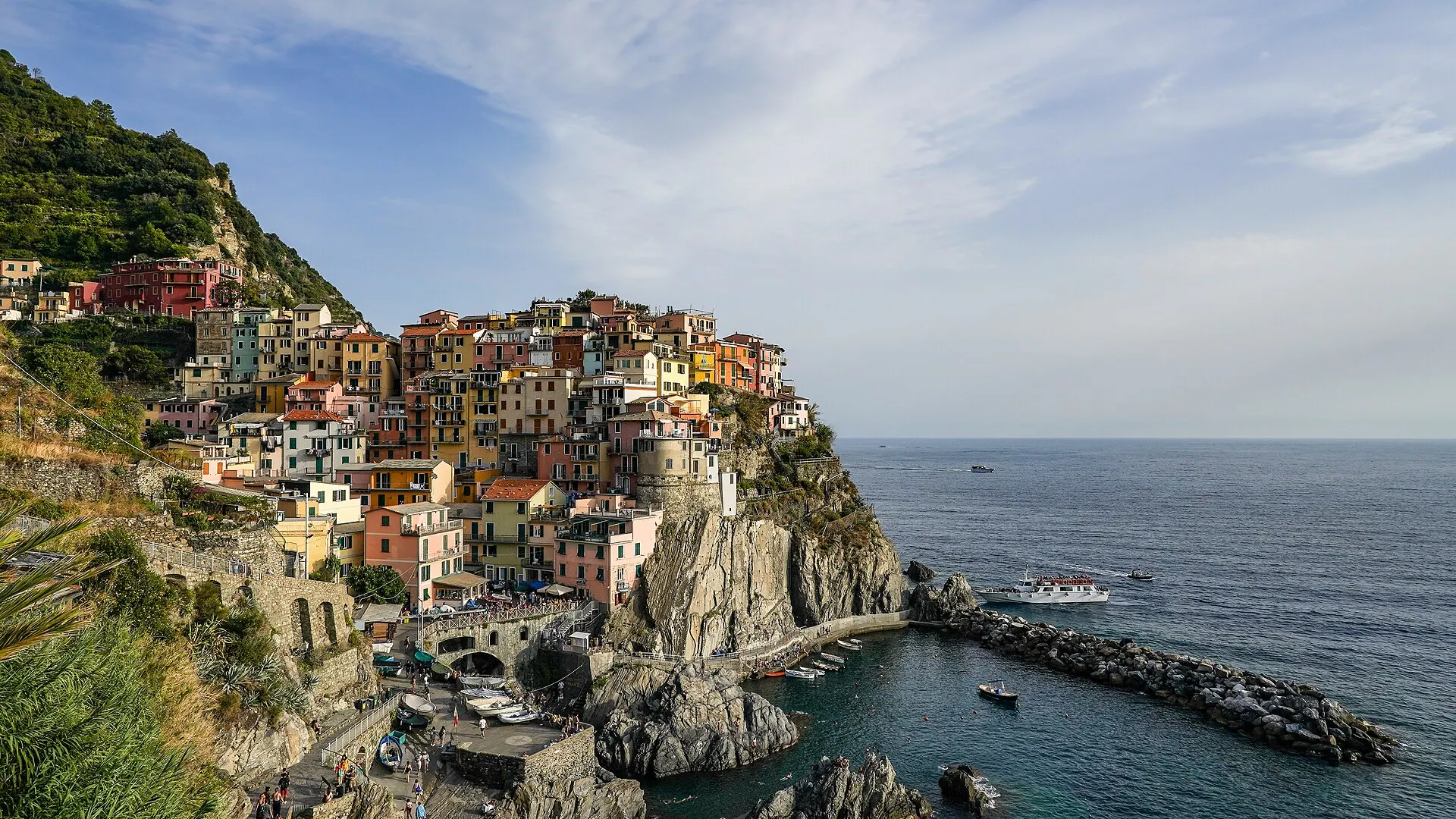
Europe's great advantage is its size. One train ride changes the language, two hours in the air changes the climate, and a Friday afternoon is enough to put you somewhere completely different by dinner. The problem is not opportunity. It is that everybody defaults to the same six cities.
So this is a list of twenty-five weekends, sorted into the four corners of the continent, and each one built the same way: a base, three things genuinely worth your Saturday, one idea for stretching it to four days, the season it is best in, how to get there from Amsterdam, and the tourist trap we would tell a friend to skip. Some of them are famous places approached from an angle that makes them new again. Several are three hours by train and cost less than a night out.
- Classic, twisted01. Seville
- Food02. Naples & the Gulf
- Island03. Mallorca beyond the resorts
- Culture04. Istanbul
- Nature05. Madeira
- Food & wine06. Porto & the Douro
- Romance07. Colmar & the Alsace wine villages
- Culture08. Ghent & the Belgian coast
- Classic, twisted09. Nice & the Côte d’Azur
- Food & wine10. Bordeaux & the Gironde
- Nature11. Lucerne & central Switzerland
- Classic, twisted12. Paris beyond the postcard
- Culture13. Amsterdam like a local
- Classic, twisted14. Prague beyond the crowds
- Classic, twisted15. Budapest & the Danube
- Food16. Ljubljana & Lake Bled
- Culture17. Kraków
- Design18. Vienna, with Bratislava attached
- Nature19. Transylvania road trip
- Design20. Copenhagen
- Island21. Stockholm & its archipelago
- Nature22. The western fjords, from Bergen
- Classic, twisted23. Tallinn
- Culture24. Riga
- Classic, twisted25. Edinburgh
Southern Europe
Two to four hours in the air buys you a completely different climate, and (crucially for a weekend) a completely different evening. These are the trips where Friday night already feels like a holiday.
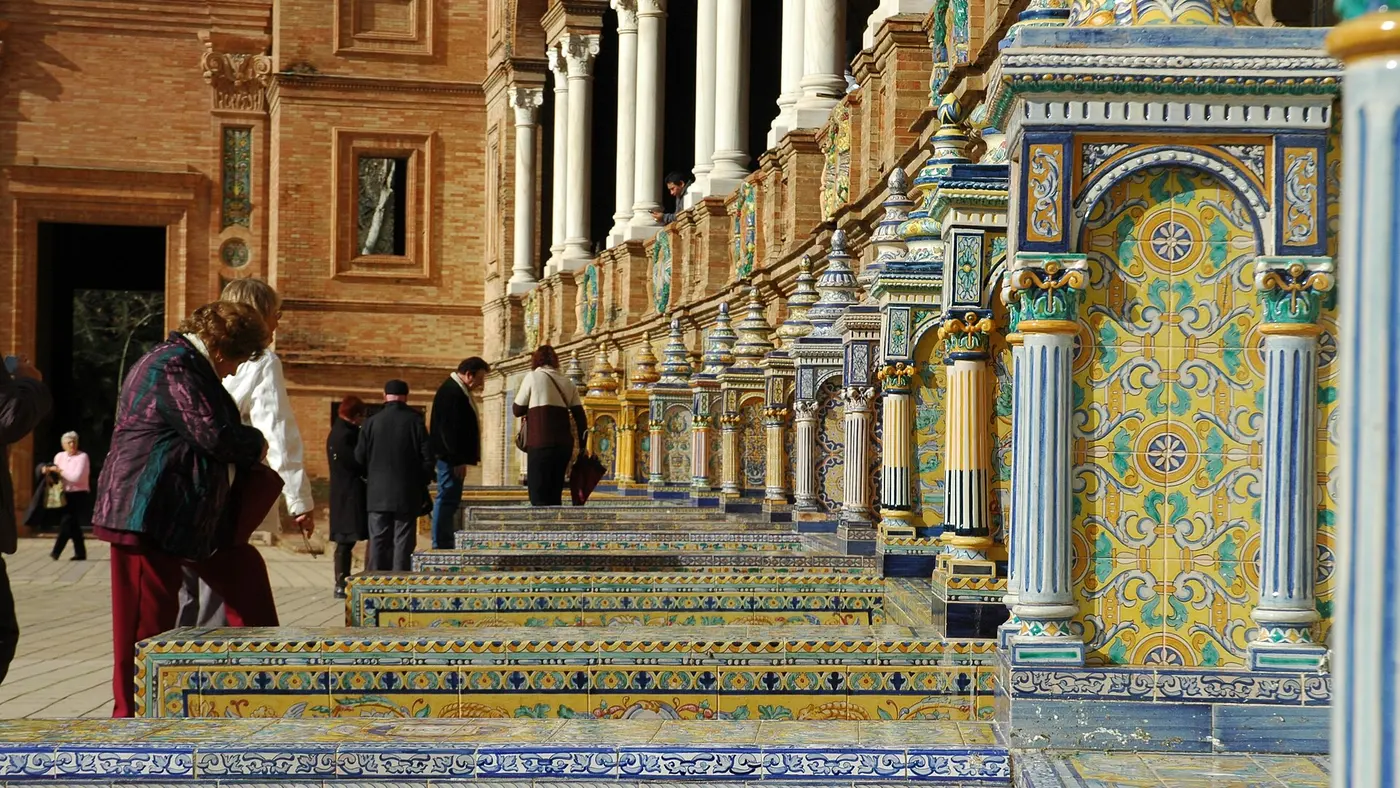
Seville · Spain
Classic, twistedAndalusia's showpiece, and the rare famous city where the famous things are actually the best things. Do them early in the day and give the evening to the streets, which is when Seville is really Seville.
- Real Alcázar. €15.50 general admission, €5.50 more for the Cuarto Real Alto; open 09:30-19:00 April to September, 09:30-17:00 the rest of the year (2026). Book a slot.
- Cathedral and the Giralda. One combined guided visit covers both. It is a working cathedral, so visits pause around Mass.
- Flamenco at Casa de la Memoria, Calle Cuna 6: a small cultural centre rather than a dinner-show hall, which is the whole difference. Other Seville flamenco and tapas evenings are worth comparing on price.
Skip: July and August entirely. It is brutally hot. And during the two festivals, hotels impose minimum stays and triple the rate.
Naples & the Gulf · Italy
FoodLoud, filthy, magnificent. Naples is the least polished city in this guide and the one people come back from talking about, with Pompeii and the whole peninsula on a commuter line out of the centre.
- Pompeii. €20 for the site, €25 including the Suburban Villas (list valid 12 January 2026). Open 09:00-19:00 from 16 March to 14 October, 09:00-17:00 in winter, capped at 20,000 entries a day.
- Napoli Sotterranea, Piazza San Gaetano 69, guided tours only, around 40 m below the street. Skip-the-line Pompeii tours are worth it in summer.
- Pizza at L'Antica Pizzeria da Michele, Via Cesare Sersale 1. The original branch, open since 1870, two options on the menu.
Skip: Treating the Circumvesuviana as a tourist express. It is a crowded commuter line with no luggage space and frequent delays, and book Pompeii online for a time slot.
Mallorca beyond the resorts · Spain
IslandIgnore everything you associate with the name. Mallorca has a UNESCO mountain range down its spine, a 1912 wooden train that climbs into it, and villages that empty completely once the day coaches leave.
- The Palma to Sóller train, running since 1912: €23 single, €30 return, about 1h05. The Sóller to Port de Sóller tram is €10 each way, or €40 for the combined return.
- The Serra de Tramuntana: a UNESCO cultural landscape since 2011, topping out at Puig Major, 1,436 m.
- Palma Cathedral. Its rose window is nearly 14 m across, the second-largest surviving Gothic one; Gaudí ran the interior restoration from 1903 to 1914 and Miquel Barceló remodelled the apse chapel in the 2000s.
Skip: August. Peak prices, jammed mountain roads, and the Sóller train sells out.
Istanbul · Türkiye
CultureThe biggest city on this list and the only one that spans two continents. Three days is not enough, which is exactly why it works as a weekend. You go with a short list and come back with a plan to return.
- Hagia Sophia. A mosque again since 2020, with the upper galleries reopened as a visitor route in 2024; foreign visitors have paid an entrance fee since January 2024 and most of the ground floor stays reserved for worshippers.
- The Basilica Cistern: 336 marble columns, each 9 m tall, in twelve rows of twenty-eight, 150 m southwest of Hagia Sophia.
- The Grand Bazaar: 61 covered streets, more than 4,000 shops across 30,700 m², and somewhere between 250,000 and 400,000 visitors a day. A Bosphorus cruise at sunset is the cliché that earns it.
Skip: Accepting a first price in the Grand Bazaar. It is fiction. And note that a major restoration of Hagia Sophia's main dome started in 2025, so expect scaffolding.
Madeira · Portugal
NatureA volcano in the Atlantic with a footpath network built to carry water, not tourists. Madeira is the one weekend here where you will genuinely need walking boots, and where the flight is the only expensive part.
- PR1, Areeiro to Pico Ruivo: 7 km linking the island's highest peaks, starting from a viewpoint at 1,818 m. €10.50 for the full route (2026).
- A levada walk such as the Caldeirão Verde: €4.50 per trail, €9 for a two-trail day, €22.50 for three days (2026). Booking and payment are online only: never at the IFCN offices.
- The Monte toboggan. Wicker sledges steered downhill by two men in straw hats: Monday to Saturday 09:00-18:00, same-day tickets on site, €30/€40/€60 for one, two or three people (2026).
Skip: Turning up expecting to pay at the trailhead. The fees are enforced, booking is online-only, and PR1 closes in bad weather.
Porto & the Douro · Portugal
Food & wineGranite, tiles and port, stacked up a hillside above a river. Porto is the cheapest good-food city in Western Europe and the only one where the train out of town is itself the attraction.
- The port lodges in Vila Nova de Gaia, straight across the Douro: the cellars where port is aged, and where the tasting costs less than a round at home.
- Livraria Lello, open daily 09:00-19:30. The entry ticket counts towards buying a book, which is the only honest way to do it.
- São Bento station: roughly 20,000 azulejos in the entrance hall, painted by Jorge Colaço between 1905 and 1916. Free, and a two-minute walk from everywhere.
Skip: Eating on the Ribeira waterfront. That is the tourist-menu strip. Walk one street back. And book 23-24 June far in advance.
Western Europe
This is the region where the train genuinely beats the plane. Paris is 3h20 from Amsterdam Centraal, Ghent barely two, and Basel (gateway to Lucerne) sits at the end of a single direct ICE. Book the rail leg early and the whole weekend costs less than the airport parking.
Colmar & the Alsace wine villages · France
RomanceHalf-timbered houses in sherbet colours, a canal quarter that earned the nickname Petite Venise, and two of France's officially prettiest villages (Riquewihr and Eguisheim) within half an hour. It is unapologetically pretty, and it knows it.
- Float through Petite Venise. Flat-bottomed boats leave from Pont Saint-Pierre for a 25-minute guided loop: €10 adults, €5 for kids 4-10 (2025).
- Eat in a proper winstub. Wistub Brenner on rue de Turenne is Michelin-listed and still a neighbourhood room: onion tart, choucroute, Pinot Noir sauces.
- Drive or cycle the Route des Vins. Inaugurated in 1953 and 170 km end to end. You only need the Colmar to Riquewihr to Eguisheim stretch to get the point.
Skip: Advent weekends in the old town, unless you booked months ago. Sleep in Eguisheim or Turckheim and come in midweek: same markets, actual pavement space.
Ghent & the Belgian coast · Belgium
CultureBruges gets the coach parties; Ghent gets the students, the canal-side beers and one of the most important paintings in Europe. Add a day on the coast tram and you have a weekend that swings from Van Eyck to windswept beach in an hour.
- Gravensteen. The moated castle in the middle of town: €13 including the audio guide (2026), which is genuinely funny. Book online. Slots sell out.
- The Ghent Altarpiece. Van Eyck's polyptych in St Bavo's, from €12.50 with the AR visit (2026). The final restoration phase runs into spring 2027, so a panel or two may be a reproduction.
- Ride the Kusttram. The world's longest tram line: 67 km from De Panne to Knokke, about 2.5 hours end to end. €2.50 a single, €7.50 for a De Lijn day pass (2026).
Skip: Booking a city-centre hotel during the Feesten. The centre becomes one continuous street party: brilliant to be in, impossible to sleep in.
Nice & the Côte d’Azur · France
Classic, twistedEveryone pictures the Promenade. The better Nice is the one behind it: a market that changes personality on Mondays, chickpea pancakes eaten standing up, and a green hill nobody climbs because they don't know about the free lift.
- Cours Saleya. Flowers and produce Tuesday to Sunday; on Mondays the antiques and brocante dealers take the whole square (roughly 7:00-18:00).
- Socca at Chez Pipo, 13 rue Bavastro near the port. An institution since the 1920s, open Wednesday to Sunday, shut Monday and Tuesday (2026).
- Colline du Château. A 93 m limestone hill with an 1885 artificial waterfall and the postcard view over Vieux Nice. There is a free lift from Rue des Ponchettes if the steps feel optimistic.
Skip: The €30 sunbed packages on the Promenade beaches. The pebble beach is free. Bring water shoes and spend the money on lunch.
Bordeaux & the Gironde · France
Food & wineA city that sandblasted itself clean and turned its riverfront into a promenade, with the world's most famous vineyards half an hour out of town, and Europe's tallest sand dune an hour the other way.
- La Cité du Vin. Around €23 (2026), which includes the permanent exhibition and a tasting on the eighth-floor Belvedere with the whole city below you.
- Saint-Émilion. 27-35 minutes by TER from Bordeaux Saint-Jean, hourly: a medieval village dropped in the middle of grand-cru vineyards.
- Climb the Dune du Pilat. Europe's tallest sand dune, free on foot or by bike (car park €7 per 4h, 2025); a 160-step staircase is installed from Easter to All Saints.
Skip: A tight connection at Paris. Gare du Nord to Montparnasse needs a 45-60 minute buffer, and the TGV will not wait for you.
Lucerne & central Switzerland · Switzerland
NatureA lake the shape of a splash, two mountains you can summit by lunchtime, and a medieval town wrapped around the whole thing. This is the weekend where Switzerland's price tag is the only obstacle, and where a rail pass quietly removes it.
- Cross the Kapellbrücke. A 14th-century covered wooden bridge, the oldest of its kind in Europe; the 1993 fire destroyed two-thirds of its gable paintings, and you can still see where.
- The Pilatus Golden Round Trip. Boat to Alpnachstad, the world's steepest cogwheel railway up, cable car down. CHF 119.80 from Lucerne in 2nd class (2026). The cogwheel runs 11 May-29 Nov 2026.
- Loop Mount Rigi. Boat to Vitznau, Europe's oldest mountain railway (1871) up, cable car down to Weggis, and it is free with a Swiss Travel Pass, as are all the regular lake boats including the paddle steamers.
Skip: Paying per mountain. Budget CHF 120 a summit day and CHF 25 for a sandwich, then buy a Swiss Travel Pass or Tell-Pass. It pays for itself before dinner on day two.
Paris beyond the postcard · France
Classic, twistedSkip the Tower. East Paris (the canal, Belleville, Aligre) is where Parisians actually spend a Saturday, and it is the version of the city you can do properly in two days instead of badly in four.
- Walk the Canal Saint-Martin. 4.6 km, finished in 1825 under Napoleon, nine locks and a run of iron footbridges; nearly half of it disappears underground towards Bastille.
- Marché d'Aligre and the covered Marché Beauvau. Open every day except Monday (outdoor stalls Tuesday to Friday 7:30-13:30, weekends until about 14:30) with a scruffy flea market alongside.
- Belleville street art, then sunset from Parc de Belleville. At 108 m it is the highest park in Paris, with a 30 m terrace looking straight down the city. Free.
Skip: The Moulin Rouge to Montmartre funnel entirely, and last-minute Eurostar tickets: walk-up fares triple.
Amsterdam like a local · Netherlands
CultureOur home game, so we will be blunt: the Amsterdam worth a weekend starts where the stag parties stop. Take a free ferry north, look at social housing that belongs in a museum, and eat where people actually queue.
- Take the free ferry to NDSM. The F4 leaves from behind Centraal and takes about 14 minutes to a shipyard full of street art and hangar venues. Every IJ ferry is free, and the Buiksloterweg one runs all night.
- Museum Het Schip. €17.50 (2026) for the Amsterdam School's expressionist social housing from 1919 in Spaarndammerbuurt. English tour daily at 15:00. The best building most visitors never see.
- Albert Cuypmarkt in De Pijp. Monday to Saturday, roughly 9:00-17:00, closed Sundays. Stroopwafels straight off the iron, then walk the canal ring. UNESCO World Heritage since 2010.
Skip: Damrak, the Red Light funnel and any €25 "cheese experience". And only rent a bike if you will ride like you mean it. The fietspad has no patience.
Central & Eastern Europe
The best value in Europe, and the region where a weekend budget stretches into something that feels like a proper holiday. Two hours in the air from Amsterdam, and dinner costs what a round of drinks does at home.
Prague beyond the crowds · Czechia
Classic, twistedEveryone does Charles Bridge at 11:00 and leaves disappointed. Stay in Vinohrady instead, walk the fortress the tour buses skip, and Prague turns back into the city people fell in love with.
- Vyšehrad. The other fortress, on the other hill: grounds free all year, with the info centre at the Leopold Gate open 10:00-12:00 and 13:00-18:00 daily. Only the underground and the cemetery tours are paid (2026).
- Havlíčkovy sady (Grébovka) in Vinohrady: an 11-hectare park laid out between 1871 and 1888, of which 1.7 hectares is a working vineyard, with a wine pavilion in the middle of it.
- Náplavka farmers' market on Rašínovo nábřeží: Saturdays 08:00-14:00, ninety-plus stalls on the riverbank below Vyšehrad.
Skip: Driving to Vyšehrad. It is a pedestrian zone and the nearest parking is outside the Táborská gate.
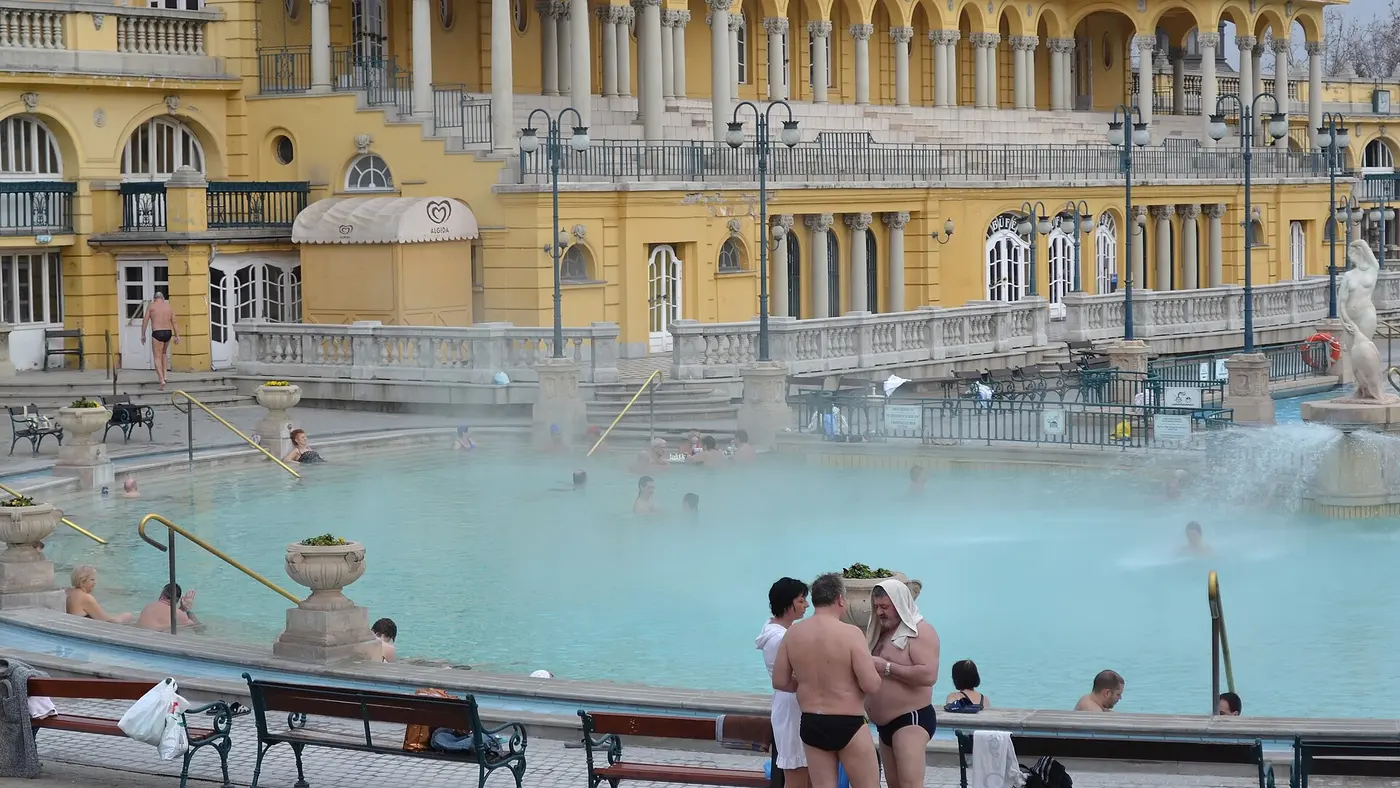
Budapest & the Danube · Hungary
Classic, twistedA grand imperial city that runs on hot water. Budapest is best done backwards: baths first thing in the morning while everyone else is asleep, city afterwards.
- Széchenyi Thermal Bath. Day ticket with locker 13,200 HUF Monday to Thursday, 14,800 HUF Friday and weekends, 15,800 HUF on holidays. Open 07:00-20:00 weekdays, to 22:00 on Fridays (2026).
- The "Good morning Budapest" ticket, entry before 09:00 for 10,500 HUF on weekdays (2026). The pools are close to empty and the steam is at its best.
- The Advent Bazilika market on Szent István tér, voted Europe's most beautiful Christmas market four years running. The 2025 edition ran 14 November to 1 January. Pest-side rooms Sell out for those weeks.
Skip: Planning around the Gellért Baths. The Art Nouveau ones have been closed since 1 October 2025, with reopening planned for 2028. Everyone funnels into Széchenyi, so book a timed ticket online.
Ljubljana & Lake Bled · Slovenia
FoodThe smallest capital on this list and the easiest to love: a car-free centre on a green river, a castle on a funicular, and a gorge an hour away that looks computer-generated.
- Odprta kuhna (Open Kitchen) on Pogačarjev trg: every sunny Friday from March to October since 2013, under Plečnik's market colonnade. The best-value lunch in any European capital.
- Vintgar Gorge. The All-in-One Pass is €15 for adults and €5 for under-15s (2026); the 1,600 m of wooden walkways takes about 45 minutes. Open April to October, 08:00-18:00 from 6 July to 30 August.
- The castle funicular: €6 return online, or €17.10 for the full castle ticket online against €19 on the spot (2026).
Skip: Arriving at Vintgar between 10:00 and 13:00. It caps ticket numbers, requires helmets, and closes roughly November to March.
Kraków · Poland
CultureOne of the few great European squares that survived the twentieth century intact, with a Jewish quarter beside it that tells you exactly what that century cost. Heavy and beautiful in equal measure.
- Wawel Royal Castle, first and second floor route: 95 PLN regular, 71 PLN reduced, audio guide included (2026). Open 09:00-19:00 in July and August, 09:00-17:00 from September; free on Mondays for selected exhibitions, with limited tickets.
- Oskar Schindler's Enamel Factory. Monday 10:00-15:00, Tuesday to Sunday 09:00-20:00, closed the first Tuesday of the month. English guided tours at 10:00, 12:00 and 16:00.
- The szopka nativity-scene contest, UNESCO-listed: makers gather on the Main Market Square on the first Thursday of December, and the scenes then show at the city museum through February.
Skip: Assuming all of Wawel is open, between 27 June and 31 August 2026 some smaller rooms close or restrict access for conservation.
Vienna, with Bratislava attached · Austria
DesignTwo capitals in one weekend, 56 minutes apart. Vienna does grandeur and coffee houses; Bratislava does a compact old town and prices that undo the damage.
- The Upper Belvedere for Klimt's The Kiss: €23, open daily 09:00-19:00 (2026).
- Bratislava by train. 56 minutes from Wien Hbf since electrification finished in October 2025, hourly from 05:14 to 23:14. The "Bratislava Ticket" is €19 return and includes the city's buses and trams on day one; a plain single is €12.70 (2026).
- Schönbrunn's Classic Pass: €49 with an audio guide, covering the palace, Privy Garden, maze, Orangery Garden and the Gloriette terrace. Summer season 27 March-2 November 2026; allow three to four hours.
Skip: Underestimating the bill. This is the priciest base in the region. The Schönbrunn Classic Pass alone is €49, and its prices change seasonally.
Transylvania road trip · Romania
NatureFortified Saxon villages, a mountain road that closes for eight months of the year, and the cheapest good food in Europe. This is the one weekend on the list that genuinely wants a car.
- Bran Castle from 100 RON, the Royal Tour with fast pass from 170 RON, guided from 210 RON (2026). Tuesday to Sunday from 09:00, last entry 18:00 (or 19:00 in August and September), and Mondays it only opens at noon.
- Sighișoara's citadel. UNESCO-listed since 1999 and one of Europe's best-preserved inhabited medieval towns.
- Brașov itself: 237,589 people, ringed by the Southern Carpathians, 166 km north of Bucharest and the natural base for all of it.
Skip: Building a Monday morning around Bran Castle. It opens at noon on Mondays and tickets regularly sell out ahead.
Northern Europe
Short flights, long summer evenings and prices that will make you wince. Northern Europe is best treated as a two-night trip done properly rather than three nights done cheaply, and between May and August the daylight alone is worth the fare.
Copenhagen · Denmark
DesignThe most quietly confident city in Europe: bicycles, brick, and buildings that solve two problems at once. It is 80 minutes from Amsterdam and feels like a different decade.
- Designmuseum Danmark, Bredgade 68: 140 DKK, free under 18, daily 10:00-18:00 and to 20:00 on Thursdays (2026).
- Reffen, Refshalevej 167A. Northern Europe's largest street-food market, around forty rotating food start-ups, open daily 11:30-21:30 from mid-March to the end of September.
- CopenHill. An 85 m waste-to-energy plant with a year-round dry ski slope on the roof and an 80 m climbing wall: the tallest permanent one in the world.
Skip: A January food weekend. Reffen shuts for winter and it takes the best of the eating with it.
Stockholm & its archipelago · Sweden
IslandA capital built on fourteen islands, with roughly 24,000 more starting where the city ends. Do one day in town and one on the water. The second is the one you will remember.
- The Vasa Museum on Djurgården: 240 SEK May to September, 195 SEK October to April, free under 18. A 17th-century warship that sank on its maiden voyage and came back up nearly intact.
- Fotografiska, Stadsgårdshamnen 22. Open until 23:00, the latest-closing serious museum in the city and a genuinely good dinner spot.
- An archipelago day-boat with Waxholmsbolaget or Cinderellabåtarna. The islands run from Arholma in the north to Landsort in the south.
Skip: The archipelago out of season. The timetable collapses and the island restaurants shut, leaving you with a city weekend you did not plan.
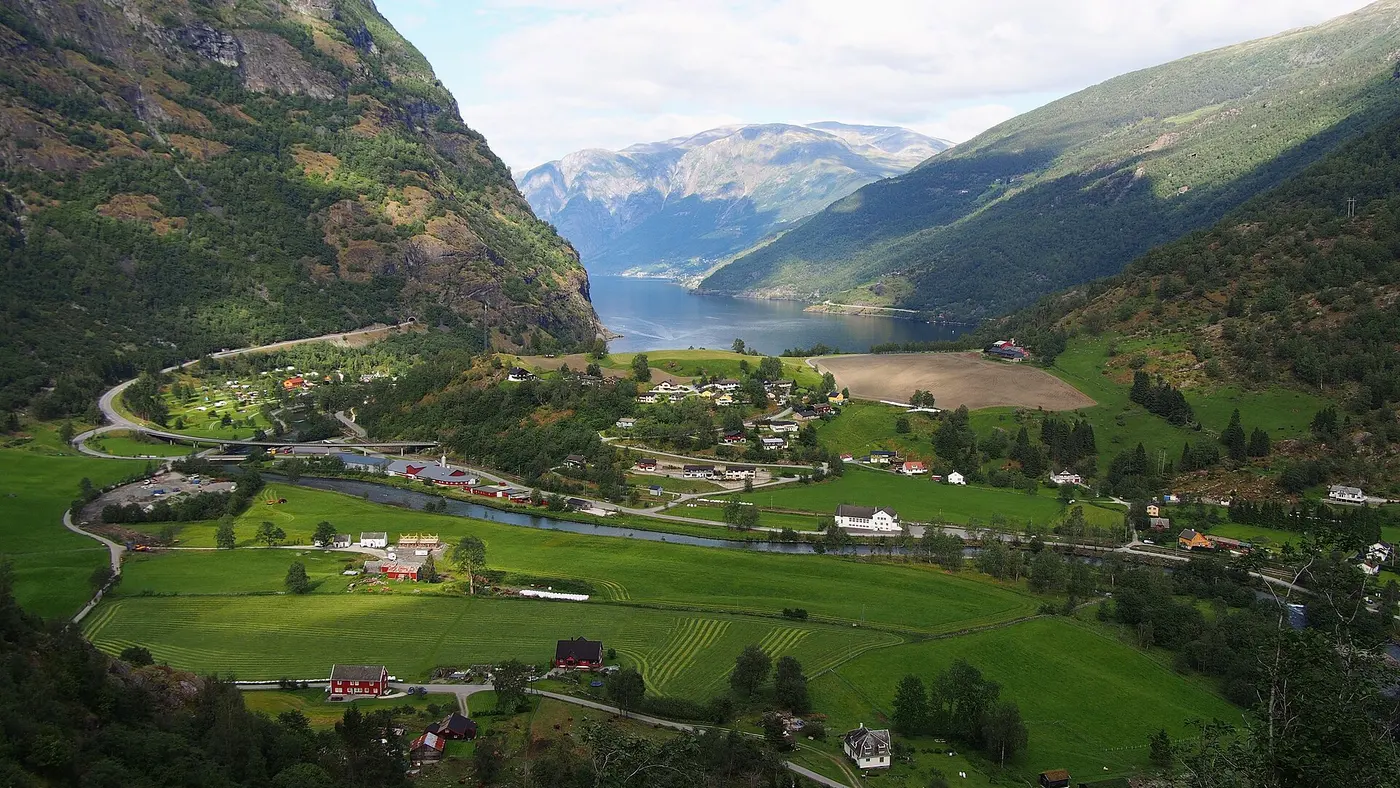
The western fjords, from Bergen · Norway
NatureThe most spectacular landscape reachable from Amsterdam in under two hours, and by some distance the most expensive weekend in this guide. Go anyway, but go with the numbers in front of you.
- The Fløibanen funicular, six minutes from the centre, running 07:30-00:00. Return NOK 200-220 in high season (1 April-30 September), NOK 145 off-season (2026).
- Bryggen, the Hanseatic wharf. UNESCO-listed since 1979, wooden warehouses rebuilt after the 1702 fire on a trading site used since about 1350.
- A Nærøyfjord cruise, Gudvangen to Flåm: 17 km long and 250 m across at its narrowest, UNESCO-listed in 2005. Compare fjord cruises out of Bergen before you commit.
Skip: Pretending this is a budget trip. NOK 200-plus for a funicular and NOK 2,698 a head for the Nutshell loop before food or beds, and Bergen is one of Europe's wettest cities.
Tallinn · Estonia
Classic, twistedA genuinely intact medieval town with a former locomotive works next door full of designers and coffee roasters. The contrast is the reason to come, and the second half is where you should spend Saturday afternoon.
- The Old Town. UNESCO-listed since 1997: 113 hectares of largely intact 13th-16th century street plan, with the walls and gates still standing.
- The Kohtuotsa viewing platform on Toompea for the rooftops-and-sea view everyone photographs. Free.
- Telliskivi Creative City. The old locomotive works, now around 250 companies and 1,500 people. Shops Monday to Friday 11:00-19:00, Saturday 11:00-17:00 (to 19:00 in June to August).
Skip: The central Old Town lanes in high summer, a cruise-and-stag funnel, priced accordingly. Telliskivi and Kadriorg are where the city actually is.
Riga · Latvia
CultureThe world capital of Art Nouveau, which sounds like a tourist-board claim and is a plain statistic. About a third of the buildings in central Riga are Art Nouveau: the highest concentration anywhere.
- The Riga Art Nouveau Museum, Alberta iela 12. Daily 10:00-18:00, ticket office closes 17:45. €9 in summer (1 May-30 September), €5 in winter, €10 family (2026).
- Alberta iela itself. Mikhail Eisenstein's ornate row, most of it built between 1904 and 1914.
- Riga Central Market: five pavilions built from reused German Zeppelin hangars, opened in November 1930: 72,300 m², more than 3,000 stalls, UNESCO-listed with Old Riga in 1998.
Skip: Budgeting for tickets. This is a looking-up walking city. The money goes on weather-proof shoes and coffee, and the museum is cheaper in the months you least want to visit.
Edinburgh · Scotland
Classic, twistedWe picked Edinburgh over Glasgow for one reason: it packs a castle, a medieval Old Town and a 251 m extinct volcano into a single walkable weekend, with far better access from Amsterdam. Glasgow's free museums and music scene deserve a longer, slower trip.
- Edinburgh Castle: £23.50 booked online (2026), open from 09:30 daily. Go at opening or don't go.
- Arthur's Seat: a 251 m extinct volcano in Holyrood Park, a mile east of the castle and climbable in under an hour. Free, and the best view in the city.
- The Fringe, if you time it right: the world's largest performing-arts festival, 7-31 August 2026. In 2025 it sold 2.6 million tickets across 3,893 shows at 301 venues.
Skip: August, unless you are going for the Fringe. Accommodation spikes hard across those 25 days and the Royal Mile becomes near-impassable.
The part that actually decides whether you go
Nearly every weekend that never happens dies the same way: five people, one group chat, forty messages, no dates. Nobody is against the trip. Nobody is willing to be the one who books it.
The fix is boringly simple: lock the dates before you discuss anything else, then put the plan somewhere everyone can see and edit. That is what Guidesty is for. One link, a day-by-day plan on a map, a shared budget that works out who owes whom, and a vote for when two people want different Saturdays. No accounts, free while we are in beta, and the AI drafts the first version so you are editing rather than staring at an empty weekend.
European weekend trips FAQ
What is the best weekend trip in Europe?
It depends entirely on the mood you are after, which is why this guide sorts by vibe rather than by ranking. For a first long weekend from the Netherlands, Ghent, Paris and Copenhagen are the safest bets: two to three hours door to door, walkable centres, and enough to fill three days without a car.
How long should a weekend trip be?
Three nights is the sweet spot. Two nights means one real day, and you spend it recovering from the journey. Fly out Thursday evening or take an early Friday train, come back Sunday night, and you get two full days plus two half days: enough for a city and one trip out of it.
Is it cheaper to fly or take the train in Europe?
For anything under about six hours of rail time, booked two to three months ahead, the train is usually competitive once you count airport transfers, baggage and the two hours before departure. Amsterdam to Paris, Brussels, Ghent, Cologne and Basel are all clear train wins. Southern Spain, Greece and the Nordics are clear flight wins.
When is the cheapest time for a European city break?
Mid-January to mid-March, excluding carnival and half-term weeks, is the cheapest stretch of the year almost everywhere. November is the runner-up but ends when the Christmas markets open, from late November, market cities like Colmar, Vienna and Prague jump to peak pricing.
How do you plan a weekend trip with a group without endless group-chat threads?
Agree the destination and the dates first and lock them, then build one shared plan everyone can edit rather than sending links back and forth. That is what Guidesty does: a day-by-day plan, a map, a shared budget and a vote when two people want different things. All behind one link, no accounts needed.
Prices, opening times and event dates verified August 2026 and labelled with their year. They drift, orders of magnitude hold. Some links in this guide are affiliate links (Booking.com, GetYourGuide). You pay the same price and they keep Guidesty free. Photos via Wikimedia Commons: Manarola, Cinque Terre: Timothy A. Gonsalves (CC BY-SA 4.0) · Plaza de España, Seville: Stefano Vigorelli (CC0) · Széchenyi baths, Budapest: Slyronit (CC BY-SA 4.0) · Flåm, Norway: rheins (CC BY 3.0).