Every group chat has one: the Vietnam trip that gets talked about for two years and never booked. This guide exists to kill that stalemate. One route, honest picks, prices in dong and euros, and a decision at the end of every section that your group can settle with a vote.
Why Vietnam for a friends trip? It's affordable enough that nobody sits out the good stuff (a bowl of pho is €1.50-2.50), dense enough that every travel day delivers something new, and varied enough that the beach person, the food person and the hiker all get their week. But it's also 1,650 km long with three separate climates: groups that wing it spend their holiday on night buses arguing about logistics. So let's decide the big things first.
Best time to visit Vietnam
March to April is the sweet spot for the whole country: warm and mostly dry in the north, beach weather in the centre, dry season in the south. October to November is the runner-up: gorgeous in the north, dry in the south, but typhoon season on the central coast (Hoi An floods most Octobers).
| Region | Best months | Avoid |
|---|---|---|
| North (Hanoi, Ha Giang, Ha Long) | Oct to Nov · Mar to Apr | Dec to Feb cold (Hanoi 12-18°C), May to Aug hot + wet |
| Centre (Hue, Da Nang, Hoi An) | Feb to May | Sep to Dec typhoons & flooding; Jun to Aug 35°C+ |
| South (Saigon, Mekong, Phu Quoc) | Dec to Apr | May to Oct afternoon monsoon (plannable, not trip-ruining) |
One calendar trap: Tet (Lunar New Year; 6 February 2027) closes the country for about a week. Transport sells out, restaurants shutter, prices spike. The build-up fortnight is festive gold; the core week is a planning trap. Same logic, smaller scale, around 30 April-1 May and the National Day break in early September.
The classic 3-week itinerary, north to south
One direction, no backtracking, one internal flight. Two weeks? Cut the strikethrough-tempted stops: keep Hanoi, one big northern hit, Hoi An and Saigon, and fly the long legs. (Planning with friends? Drop this route into a shared Guidesty trip. Everyone votes, the AI drafts the days, nobody chases the group chat.)
Old Quarter street food, the weekend walking street around Hoan Kiem lake, egg coffee at Café Giảng (invented here in 1946), bia hoi on Ta Hien corner at €0.30 a glass, Hoa Lo Prison's night experience.
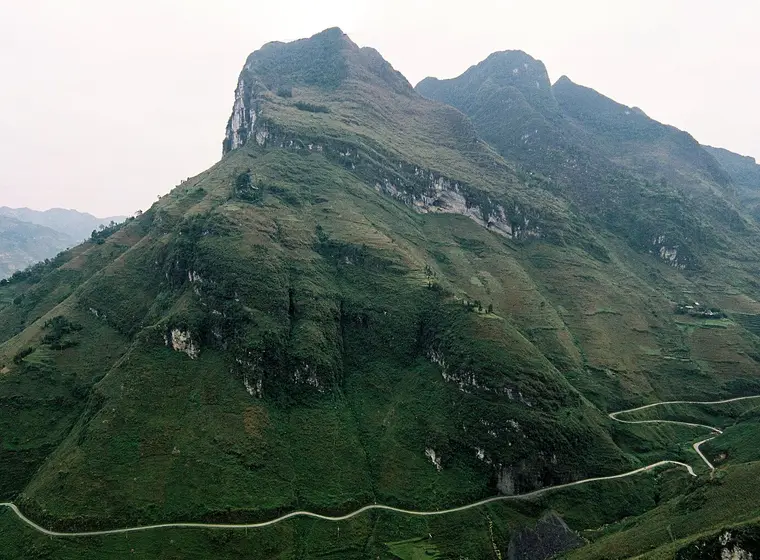
The best road scenery in Southeast Asia: Ma Pi Leng pass, the Nho Que river boat, homestays and rice wine. Go easy-rider style (~$230-280 pp all-in, 4 days). Pillion with a local driver means no licence stress and no insurance void.
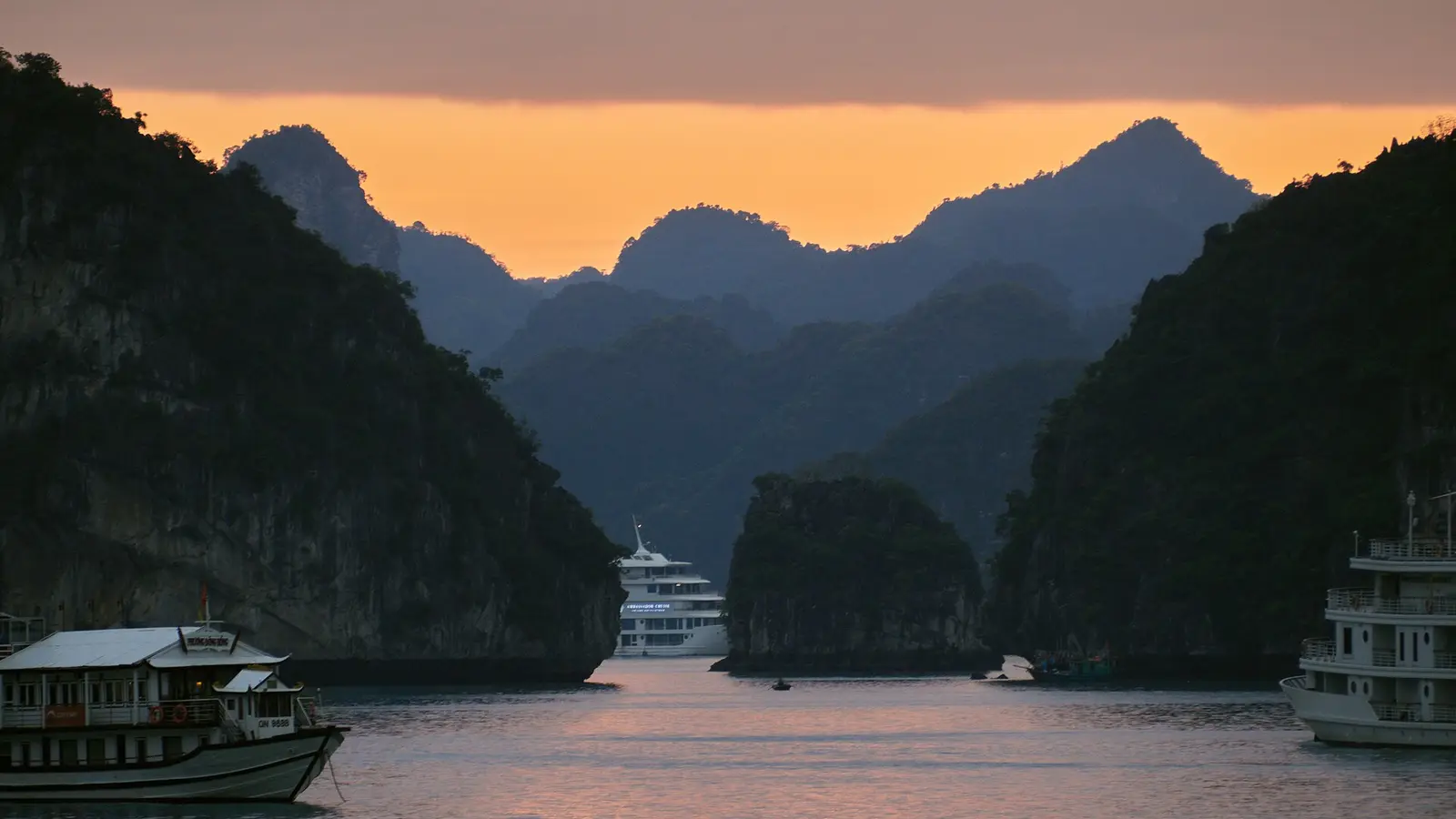
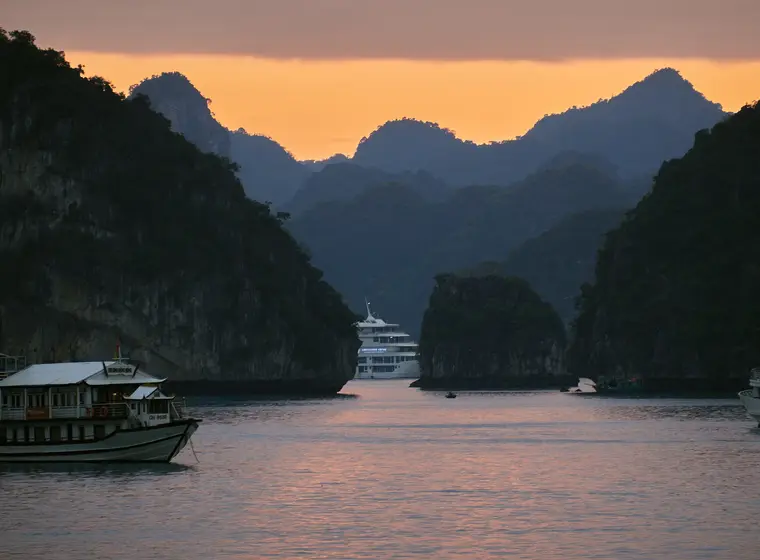
Ha Long's scenery with a tenth of the boats. Book a 2D/1N cruise direct ($150-300 pp), kayak off the back deck, add an island day to recover.
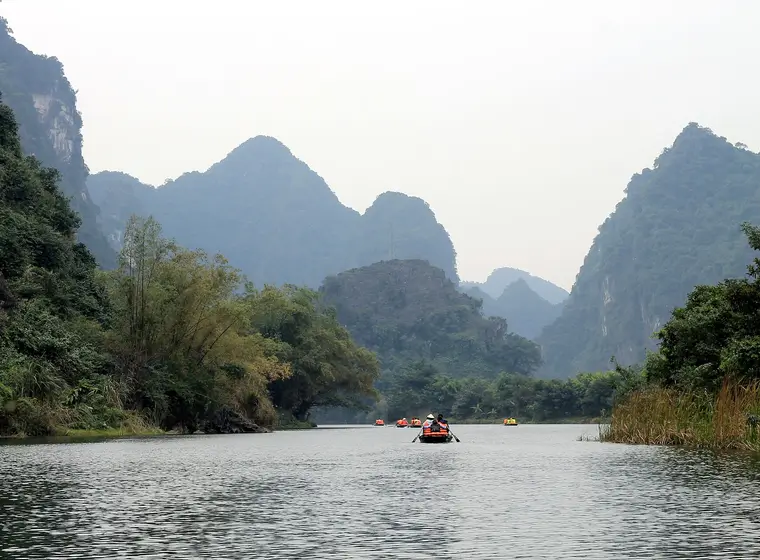
"Ha Long on land": the Trang An rowing-boat through cave tunnels (~250k ₫), Hang Mua's 500 steps at sunrise, cycling between the karsts. Stay the night, the day-trippers miss the best hours. Night train south.
The imperial Citadel (200k ₫), a two-tomb scooter loop (Khai Dinh + Tu Duc), bun bo Hue for breakfast where it was invented.
Cross the "ocean cloud pass" by scooter, easy rider or private car with swim stops. Then Hoi An: start tailor fittings on day one (suits $150-250), cooking class, An Bang beach, My Son ruins at sunrise, lanterns every night.
The War Remnants Museum (hard and necessary), Cu Chi tunnels early, com tam at midnight, craft beer from Pasteur Street to Heart of Darkness, one rooftop blowout.
Either the homestay-and-floating-market loop via Can Tho, or fly 55 minutes to Phu Quoc (Nov to Mar) and stop moving. Wild-card ending: Con Dao's empty roads and sea turtles.
Region highlights
The Ha Giang loop
Four days of switchbacks and karst canyons on the Chinese border. The single best group memory Vietnam sells.
Must do: the Nho Que river boat beneath Ma Pi Leng (~120k ₫).
Lan Ha Bay
The postcard karsts without the conveyor belt of boats. Sleep on board. Sunrise at anchor is the whole point.
Must do: kayaking the lagoons before breakfast.
Ninh Binh
Rowed through cave tunnels between rice paddies and limestone towers. Stay overnight and beat the tour buses to the views.
Must do: Hang Mua's dragon ridge at sunrise.
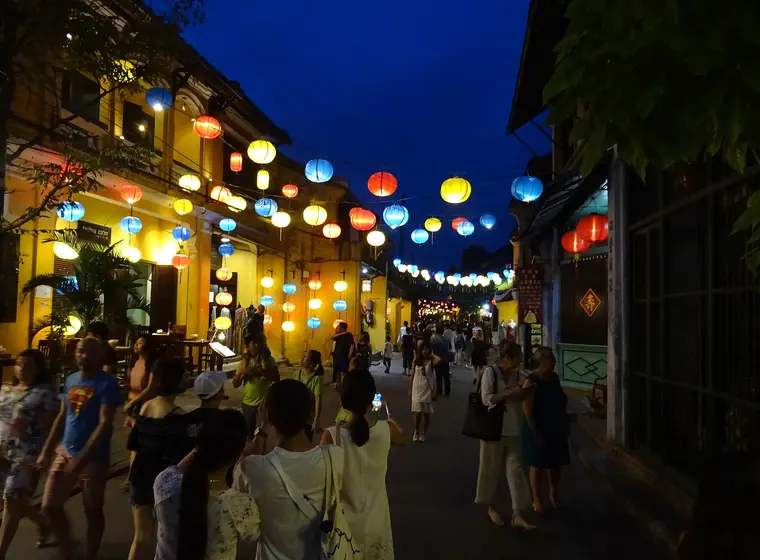
Hoi An
Lantern-lit riverbanks, the country's best-value tailors and its best small-town food. Three days minimum: the fittings demand it.
Must do: the full-moon lantern festival, every 14th lunar day.
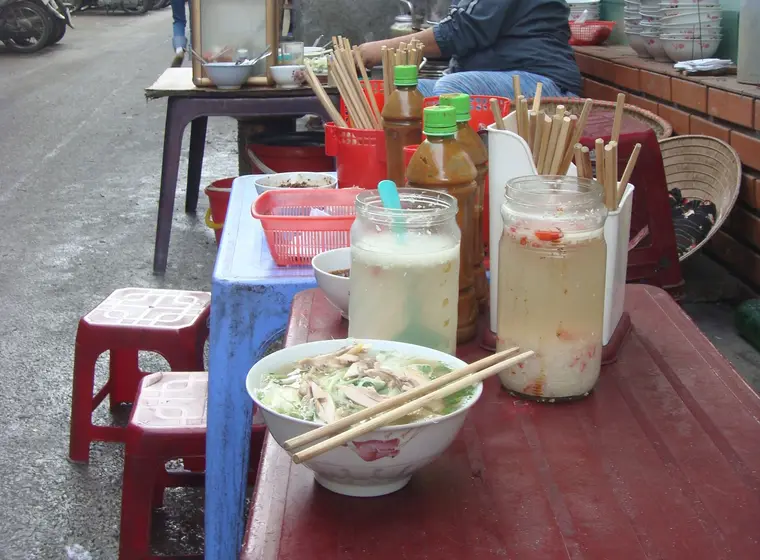
Old Quarter street food
Bun cha at noon, banh cuon for breakfast, the world's cheapest beer at dusk. Pick the stall with the queue of locals.
Must do: a food tour on night one ($20-45). It recalibrates the group's courage.
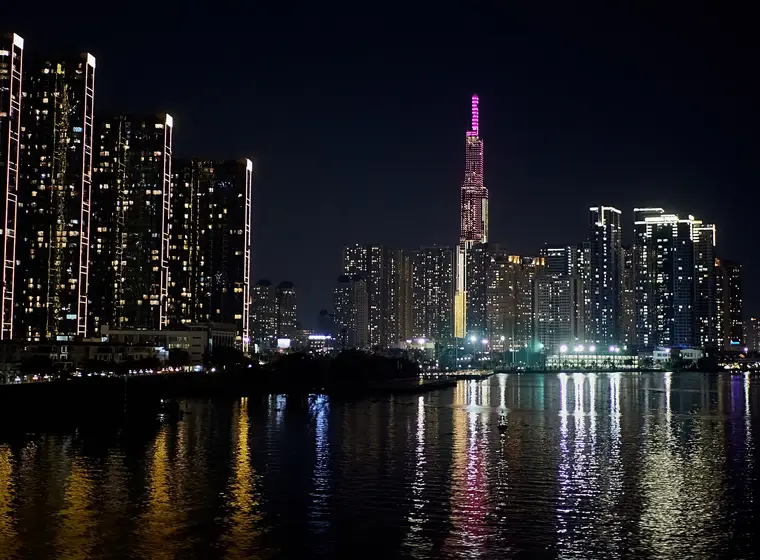
Ho Chi Minh City
Rooftops, craft beer and history that hits hard, the engine-room finale. Ride the new metro across the river at dusk for €0.40.
Must do: War Remnants Museum, then something gentle after.
What a Vietnam trip costs per day
| Style | Per person / day | What that buys |
|---|---|---|
| Street-smart | €25-40 | Dorms or simple doubles, street food, buses |
| The sweet spot | €40-70 | Private rooms, restaurant dinners, tours, a flight |
| Comfort | €90-130+ | Boutique hotels, private drivers, the cruise upgrade |
The group maths is the secret: fixed costs divide. A private car with driver for a full day (€60-100 total) is €15 each with five of you. Budget spikes to plan for: the Ha Giang loop, the overnight cruise, Hoi An tailoring and Dalat canyoning (~$75). Cash tips: withdraw big at VPBank ATMs (no local fee) with a Wise or Revolut card, and mind that the 20,000 and 500,000 dong notes are both blue. Track who paid what in Guidesty's shared budget tab and settle once, at the end: not nightly over dinner.
The food hit list
Eat the dish where it was born: pho and bun cha in Hanoi (40-70k ₫), bun bo Hue in Hue, cao lau only in Hoi An, mi quang in Da Nang, banh xeo crêpes in the south, com tam at midnight in Saigon, and a banh mi anywhere (20-40k ₫). The group move is lau: hotpot: a bubbling shared cauldron, platters of everything, two hours minimum (150-300k ₫ pp).
Street-food safety in one rule: pick the stall with a queue of locals at its peak hour. High turnover is the food-safety system. City ice is factory-made and fine. Vegetarians: say an chay; canteens cluster near pagodas.
Visas, transport & the scam list
Visas
Most Western European passports (NL, BE, DE, FR, UK, ES, IT and more) enter visa-free for 45 days. Longer trips or re-entry: the 90-day e-visa costs $25-50 at the official evisa.gov.vn. Anything pricier is a middleman.
Book the basics
Sort the big three early: stays on Booking.com (same prices as booking direct), flights for the long legs, and an airport taxi so nobody haggles at arrivals after a night flight.
Getting around
Fly the long legs (Vietjet from €20-25 on sale; 7 kg carry-on limit is enforced), take the night train Hanoi→Hue in a soft sleeper (~$45-65), and use VIP "cabin" sleeper buses for the gaps. In cities: Grab, or the teal Xanh SM EVs that don't surge in rain. Renting scooters? You legally need your motorbike licence plus a 1968-convention IDP. Fines run 6-8M ₫ and insurance is void without it. That's why the easy-rider setup exists.
The scam top five
- Rigged taxi meters: use Grab or Xanh SM, full stop.
- The cyclo "hundred": agree the exact total in writing before sitting.
- Motorbike deposit shakedowns. Video the bike; passport copy, never the passport.
- Old Quarter "luxury cruise" deals. Book direct with named operators.
- The gifted donut. Anything pressed into your hand gets invoiced. Smile, decline, walk.
Vietnam group-trip FAQ
How many days do you need for Vietnam?
Three weeks covers the classic north-to-south route properly. With two weeks, pick two regions (north + centre, or north + south and fly between them). Ten days is enough for one region done well: the centre (Hoi An, Hue, Phong Nha) packs the most variety per kilometre.
What is the best month to visit Vietnam?
March to April is the sweet spot for the whole country: warm and mostly dry in the north, beach weather in the centre, dry season in the south. October to November is the runner-up, but skip the central coast then. It is typhoon and flood season.
How much does a Vietnam trip cost per day?
Around €40-70 per person per day covers private rooms, restaurant meals, domestic transport and tours. Street-smart travellers manage on €25-40; comfort-level trips run €90-130+. Big one-off spikes: the Ha Giang loop (~$230-280 for 4 days) and an overnight Lan Ha Bay cruise ($150-300).
Do EU citizens need a visa for Vietnam?
Most Western European passports (including the Netherlands, Belgium, Germany and France) currently enter visa-free for up to 45 days. Staying longer or re-entering? Apply for the 90-day e-visa ($25 single / $50 multiple entry) at the official site evisa.gov.vn only.
Ha Giang loop or Sapa, which should we pick?
For groups aged 25-35: Ha Giang. Four days with easy riders (~$230-280 pp all-in) delivers the best road scenery in Southeast Asia. Choose Sapa only for a structured 2-day trek with a homestay, or if you travel December to February when Ha Giang gets cold and foggy. Doing both eats 8-9 days: pick one.
Is Ha Long Bay worth it, or is it too crowded?
The trick is booking Lan Ha Bay instead: the same limestone scenery around Cat Ba island with a tenth of the boats. Take a 2-day/1-night cruise ($150-300 pp mid-range) rather than a rushed day trip from Hanoi, and book direct with a named operator.
Research verified August 2026; prices drift, orders of magnitude hold. Some links in this guide are affiliate links (Booking.com, GetYourGuide). You pay the same, they keep Guidesty free. Photos via Wikimedia Commons: Ha Long Bay & Saigon skyline: lumoplank (CC0) · Hoi An lanterns: Christophe95 (CC BY-SA 4.0) · Ma Pi Leng pass: Khánh Hmoong (CC BY 2.0) · Hanoi pho vendor: Schellack (CC BY 3.0) · Ninh Binh: Lishuilynn (CC BY-SA 4.0).